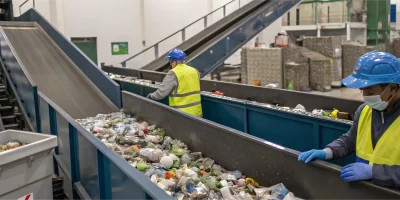
Waste-to-energy (WtE) processing is turning into a strategic asset within the circular economy. But increasing recycling targets and tightening carbon policies are reshaping its long-term economics.
The EU Emissions Trading System (EU ETS) will include thermal waste processing from 2028. It will turn emissions performance and thermal efficiency into key determinants of profitability. Mandatory separate collection of organic waste is speeding up investment in anaerobic digestion, paving the way for new value generation opportunities from digestate and biogas.
However, waste-to-energy operators are navigating a rapidly evolving market where improving plant efficiency is no longer sufficient. Rising carbon costs are also making thermal processing assets vulnerable to financial exposure, while tightening diversion mandates and growing demand for recycled materials are limiting the waste volume availability for incineration.
Companies must recognize anaerobic digestion facilities as integrated nutrient and energy recovery businesses to avoid limiting their resource recovery and revenue diversification potential. They also need to focus on:
- Streamlining thermal-efficiency and emissions reduction investments that can guarantee the strongest returns against the EU ETS carbon pricing framework.
- Reposition energy-recovery assets as available feedstock is reshaped by diversion and recycling mandates.
- Optimization of anaerobic digestion assets to maximize value from digestate, biogas, and other circular revenue streams.
- Defining the role of incineration capacity within a long-term waste management portfolio.
We are assisting clients in quantifying regulatory exposure, prioritizing capital investments, and optimizing waste processing portfolios with portfolio strategies, anaerobic digestion value-stream roadmaps, and EU ETS exposure assessments.