
Who’s First in Line: The Shortening Power Queue in a Power-Constrained World
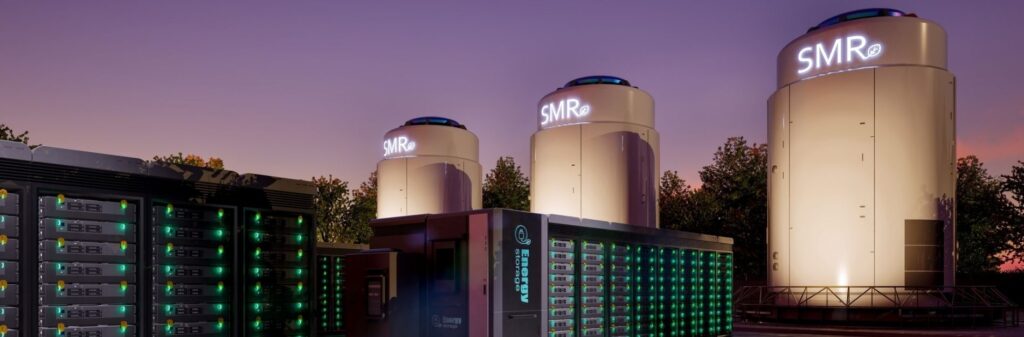
Nuclear Reserved First: The New Power Queue In the last decade, nuclear energy was a technology everyone respected, but almost no one financed. It changed when AI hyperscalers started demanding power the grids couldn’t promise within believable timelines. What’s emerging now isn’t a technology story, but a queue management problem for limited capabilities, for grid […]
Powering the Future: The SMR Enterprise Roadmap
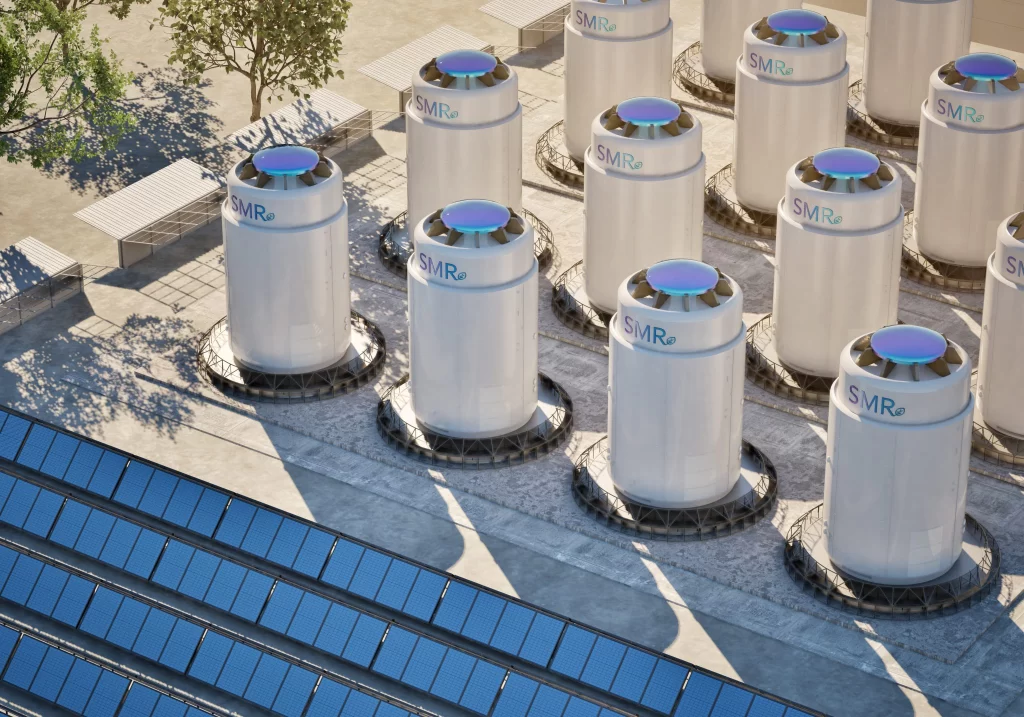
Executive Summary: Small Modular Reactors (SMRs) are emerging as a strategic pillar for carbon-neutral, resilient power, bridging the gap between rising industrial electricity demand and decarbonization objectives. Installed capacity is expected to grow 15x, reaching 6 to 6.5 GW over the next decade, a clear sign that the SMR market is entering an aggressive acceleration […]
Rewiring India’s Energy Future 2050
Rewiring India’s Energy Future: A $14 Billion Corridor and the Case for a Quantum Leap “India’s energy security is a $300 billion question. With 60-65% of its energy imports passing through a single, vulnerable choke point, the country’s economic growth, from $4 trillion to a projected $12 trillion by 2035, demands a strategic pivot. The […]
Biogas: The Silent Engine of the Energy Transition

From the Periphery to the Mainstream Renewable energy technologies such as electrolyzers, solar panels, and wind turbines are now in the spotlight worldwide. As the shift to sustainable energy grows, planners are recognizing the drawbacks of centralized, linear systems. This shift has helped biogas become a popular energy choice for homes, businesses, and industry. Biogas […]
How China is Reshaping the Future of Solar Energy and Smart Grids?

China’s Dual Push for IP Strategy and Innovation in Solar Energy As part of its clean energy plan, China is striding toward technological leadership in solar energy, extending beyond merely increasing capacity in 2025-26. Currently, China manufactures over 80% of the world’s solar panels. Significant innovation and lucrative cost-reduction opportunities currently exist in the global […]
LNG Energy: An Emerging Driver of Clean Energy Shift

How is Grey LNG Bridging the Green Fuels’ Gaps? While rising demand and acceptance for green fuels are shaping the shift to clean energy, several factors like supply chain disruptions, high costs, and feedstock complexities have kept their wide adoption and integration at bay. Grey LNG, on the other hand, has emerged as a transient […]
LNG Energy: Bridging the Gaps in Green Fuels Adoption

As energy transitions accelerate, LNG’s adaptability will be pivotal in both immediate decarbonization and future integration of sustainable fuels. – Pinkesh Shah, Energy, Chemicals, and Materials Business Leader, Stellarix In the last one and a half years, the energy industry has turned its focus back to petroleum-based liquefied natural gas. The accelerating transition of the […]
Bio-LNG: The Clean Fuel Evolution Transforming LNG’s Future

As the world is struggling for net-zero emissions, the energy industries are also significantly transforming to become carbon-negative. In recent years, Bio-LNG (bio-based Liquefied Natural Gas) has emerged as a feasible, scalable, and quick-deployable clean fuel alternative. Bio-LNG, which is generated from biological waste and chemically equivalent to fossil LNG, has the potential for deep […]
Market Assessment – Small Scale LNG Production

A major client from the small-sector LNG (ssLNG) sector contacted Stellarix for a comprehensive market assessment study to understand the scope and current state of the market. The actionable intelligence from our energy experts enabled the client to align its offerings with evolving regulatory frameworks, sustainability demands, and changing dynamics of the low-carbon energy market. […]
The Blue Hydrogen Imperative: Navigating Costs, Emissions, and Regulations

Hydrogen can be termed as blue hydrogen when produced from natural gas(or sometimes coal) through steam methane reforming (SMR) or auto-thermal reforming (ATR), and resulting CO₂ emissions are captured and stored rather than released into the atmosphere. The CO₂ is stored underground using carbon capture and storage (CCS) technology. As a result, blue hydrogen is […]