Fibermaxxing: From Wellness Trend to F&B Industry Shift
Key Takeaways:
- Fibermaxxing is emerging due to the increasing consumption of GLP-1 drugs and the rising demand for GLP-1 mimicking products.
- The growing consumer awareness of gut health is the main factor driving the market growth of dietary fiber.
- Lack of tangible health benefits, inadequate customer knowledge, and dietary discomfort associated with fiber-rich foods hinder the growth of fiber-fortified products.
- Future fibermaxxing innovations will focus on supporting gut health, satiety, glycemic control, and metabolism. Key interventions include biofortified, high-fiber wheat varieties and advanced fibers such as resistant starch type 5 for next-generation functional foods.
What’s Next after Proteins and Who Will Benefit the Most from It?
Research shows that the next trend in the Food and Beverage industry will be Fibermaxxing. Fibermaxxing is a Gen Z social media term that represents maximizing fiber consumption by meeting or exceeding the recommended daily intake of fiber.
The concept of consuming fiber-enriched food products has always been present in the consumer market. However, the advent of GLP-1 drugs and the increasing consumer awareness regarding health concerns have given it a significant upsurge. Due to the significant side effects associated with GLP-1 drugs, like gastrointestinal disturbances, the demand for GLP-mimicking products is also rising. This is where the fibermaxxing trend comes into the picture.
Certain dietary fiber products are being launched that mimic the function of GLP-1, offering the same advantages without any side effects. This trend reflects a major consumer shift, in which they seek fullness from smaller portions of snacks without discomfort or guilt during consumption. The concept of fiber consumption is being redefined through evidence demonstrating its nutritional benefits. Consumer perception has shifted from extremes to a focus on increasing health span and longevity.
Which Aspects of Health and Wellness will Show Promising Benefits from the Fiber Intake Trend?
The majority of research and commercial innovative interventions are being conducted with the perspective of catering to gastrointestinal wellness.
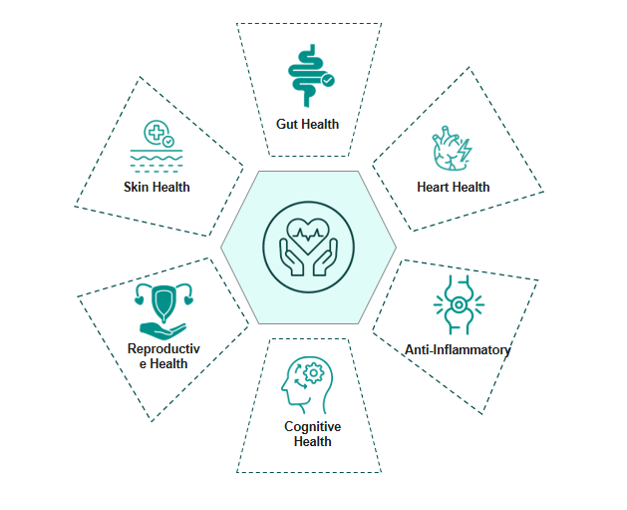
- The ability of dietary fiber to aid in effective digestive functions and build gut integrity is the major factor in the ongoing peak in research. Dietary fiber is associated with the “hidden benefits” pertaining to gut health, which are visible in the long run.
- The cardiovascular health benefits contributed by dietary fiber are another area for research. Commercial interventions can potentially target this area, as it is less conventional and might have gaps for innovative launches. The exact mechanism by which dietary fiber confers cardiovascular benefits requires an extensive network of scientific studies to support commercial efforts and innovations.
- Cancer and type-2 diabetes are other health benefits currently being researched for their management through dietary fiber.
- Recent scientific publications confirm the potential of dietary fiber to help with cognition and sleep disorders.
- With the rising focus on mental health and well-being, the research on this aspect of dietary fiber is also increasing and gaining traction.
- Hormonal imbalances such as PCOS or PCOD have also been positively impacted by dietary fiber intake. This area demands more research to understand the exact mechanism and types of dietary fiber that could potentially aid these crucial health trends.
- New health and wellness trends like skin health are also gaining popularity among consumers. Dietary fibers have been shown to help with atopic dermatitis in mice and could potentially be studied further in humans.
Will Fibermaxxing Continue to Drive Sustainable Growth in Food and Beverage?
The market report addresses this question by referring to it as sustainable growth. According to reports, the market for dietary fiber is expected to reach USD 13.6 million in 2026, growing at a CAGR of 10.3% through 2036. During the forecast period of 2026-2036, industry revenue is projected to reach USD 36.2 billion. The increasing consumer awareness about gut health is the main factor supporting the market growth of dietary fiber.
This has encouraged the fiber fortification of generic food, bakery, and beverage products. The competitive differentiation is being shaped by the innovative processing technologies and formulation strategies across the value chain. To meet the technical requirements for modern food applications, ingredient manufacturers and suppliers are focusing on the enhancement of fiber solubility, sensory neutrality, and stability. Soluble fibers occupy the largest share of the Dietary Fiber market – 72%, followed by cereal and grains at 55%, and functional food and beverages at 39%.
Who is already capitalizing on fibermaxxing, and what technologies could define the next wave? Download the complete article to find out.
Let's Take the Conversation Forward
Reach out to Stellarix experts for tailored solutions to streamline your operations and achieve
measurable business excellence.