
Dyeing & Colorants
Coloration is becoming one of the most consequential growth levers in the textile industry. Low-liquor dyeing and waterless technologies, including supercritical foam, CO2, digital, and spray dyeing, are commercializing rapidly. On the other hand, advanced color chemistries and bio-based dyes are offering strong alternatives to conventional formulations.
It is now impacting everything from energy and water consumption to product differentiation and chemical exposure. Modernization of coloring strategies is now critical for better market positioning, operational efficiency, regulatory compliance, and unlocking new sources of value.
The increasing restrictions on hazardous chemicals like PFAS are compelling manufacturers to redesign their dyeing and finishing processes. Emerging recycled, bio-based, and engineered fibers add another layer of complexity to coloration, demanding that manufacturers adapt dye systems to a rapidly diversifying materials landscape.
The investment priorities are disproportionately focused on fiber innovation, while finishing and dyeing receive limited attention. This gap is resulting in regulatory and operational risks, primarily because coloration is the largest consumer of thermal energy, water, and process chemicals in textile manufacturing.
Chemical suppliers and manufacturers now need to determine:
- How to sequence next-generation fibers, finishing technologies, and bio-based dyes to reduce implementation risk and maximize operational value.
- Which alternative dye and PFAS-free chemistries should be adopted to balance product performance and commercial differentiation with regulatory requirements.
- If low-liquor and waterless dyeing technologies can deliver better returns or warrant investment in new capacities.
- If next-gen dyes derived from microbes or food-waste streams are ready to pilot, and where can they bring real differentiation?
We are helping textile chemical companies, manufacturers, and dyehouses turn coloration into a competitive advantage with PFAS substitution roadmaps, investment and retrofit assessments, technology scouting, and commercialization strategies.
Our Experience:
- Developed a 4-year substitution roadmap for a workwear brand by assessing next-gen durable antimicrobial treatments, water repellents, and thermoregulation chemistries.
- Screened 30+ bio-based and engineered dye technologies and helped a client shortlist high-potential innovations based on commercialization readiness, fastness performance, and cost trajectories.
Case Studies
Explore how we turn complexity into clarity.
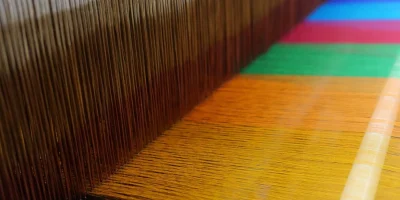
A diversified specialty chemicals company planning to assess future growth opportunities in textile chemistry amid…
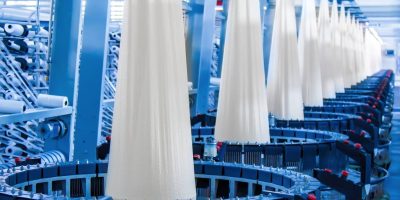
A global specialty chemicals and intermediates company engaged in the production and supply of adipic…
A global provider of a suite of digital identification technologies for tracking and inventory solutions,…
Sharper Insights, Stronger Decisions.
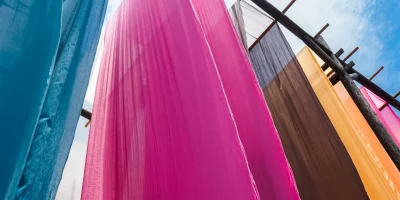
Textile chemistry and textile wastewater treatment are no longer different problems. Earlier, the former belonged…
Executive Summary: In the world of textile production, the benchmark has now moved from color…
Technical textiles are engineered materials designed to deliver specialized performance and functional properties beyond conventional…