
Waste Management 4.0: AI at the Heart of Zero-Waste Future
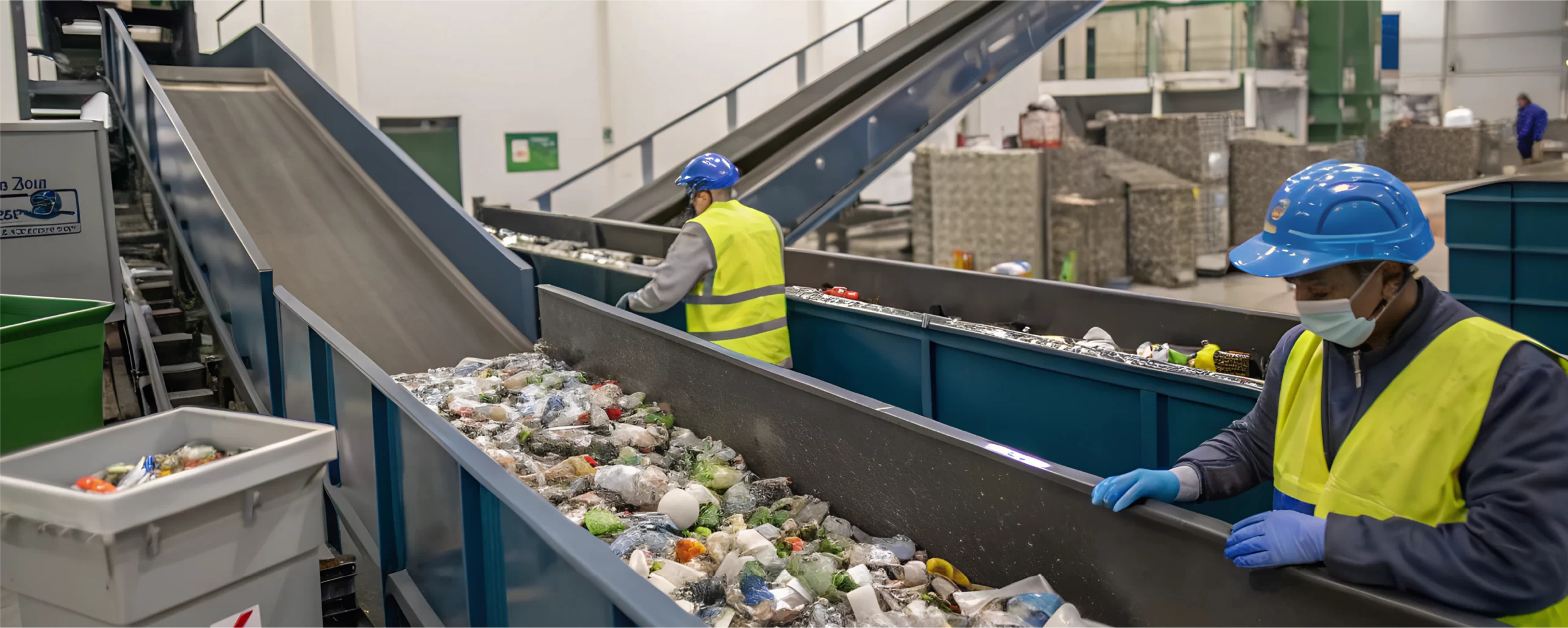
As the world generates over 2 billion tons of waste each year, managing this waste with artificial intelligence (AI) has been transformative in the past few years. Also, as waste management is a key aspect of circularity, AI’s impact has been profound. It can handle everything, from automated waste sorting to predictive waste analysis. Each […]
Green Hydrogen: The Ambition Versus Implementation Conundrum

Green hydrogen investments are the major highlight of the growing momentum in the energy industry. The promise of long-term renewable energy storage and electrofuels has made it a cornerstone in this segment. In 2023 alone, approximately $2.8 billion was invested globally in building electrolyzer capabilities, while $700 million was invested in blue hydrogen projects. This […]
Green Ammonia Production

A leading chemical company wanted to participate in the energy transition journey through a green ammonia route, so it engaged with Stellarix to understand different technologies for green ammonia production and their technology maturity. Client Background: A leading chemical company wanted to participate in the energy transition journey through the green ammonia route Engagement Objective: […]
Importance of Carbon Credits for O&G Companies
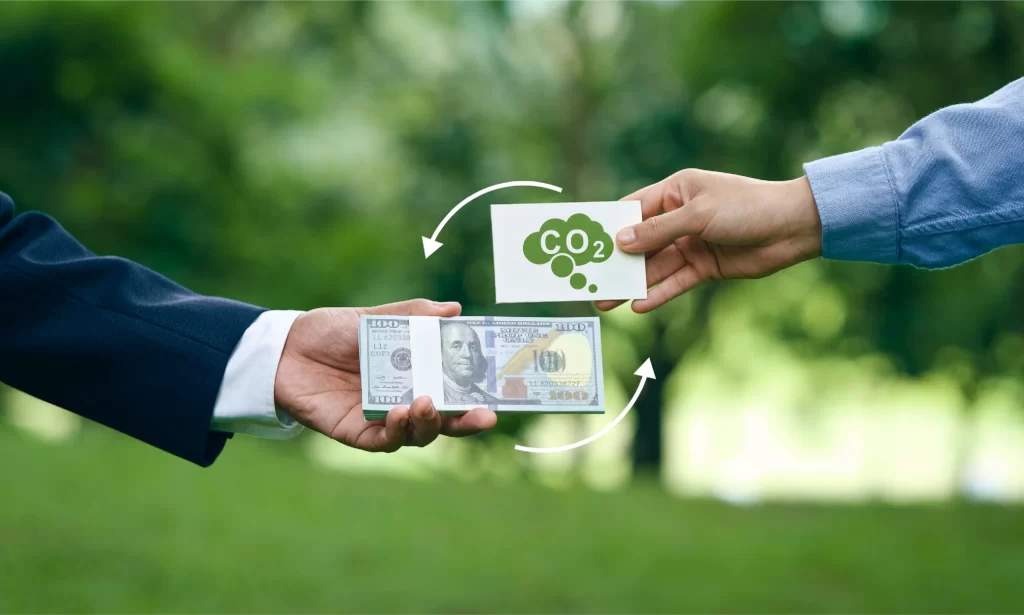
The oil and gas (O&G) industry plays a crucial role in global energy supply and is also one of the largest contributors to greenhouse gas (GHG) emissions. As global industries move quickly toward cleaner energy and sustainability, carbon credits have emerged as an essential mechanism for oil and gas companies to mitigate their environmental impact […]
Advancing Sustainability in Lithium-Ion Battery

The quest for sustainable energy solutions has driven lithium-ion batteries (LIBs) to a significant level of technological advancement. The need for fossil fuels and non-renewable resources is rising mainly because of the simple fact that they are needed to power everything from electric vehicles (EVs) to cell phones. In an attempt to compensate for this, enormous […]
Green Steel: The Future of Low-Carbon Steel Production
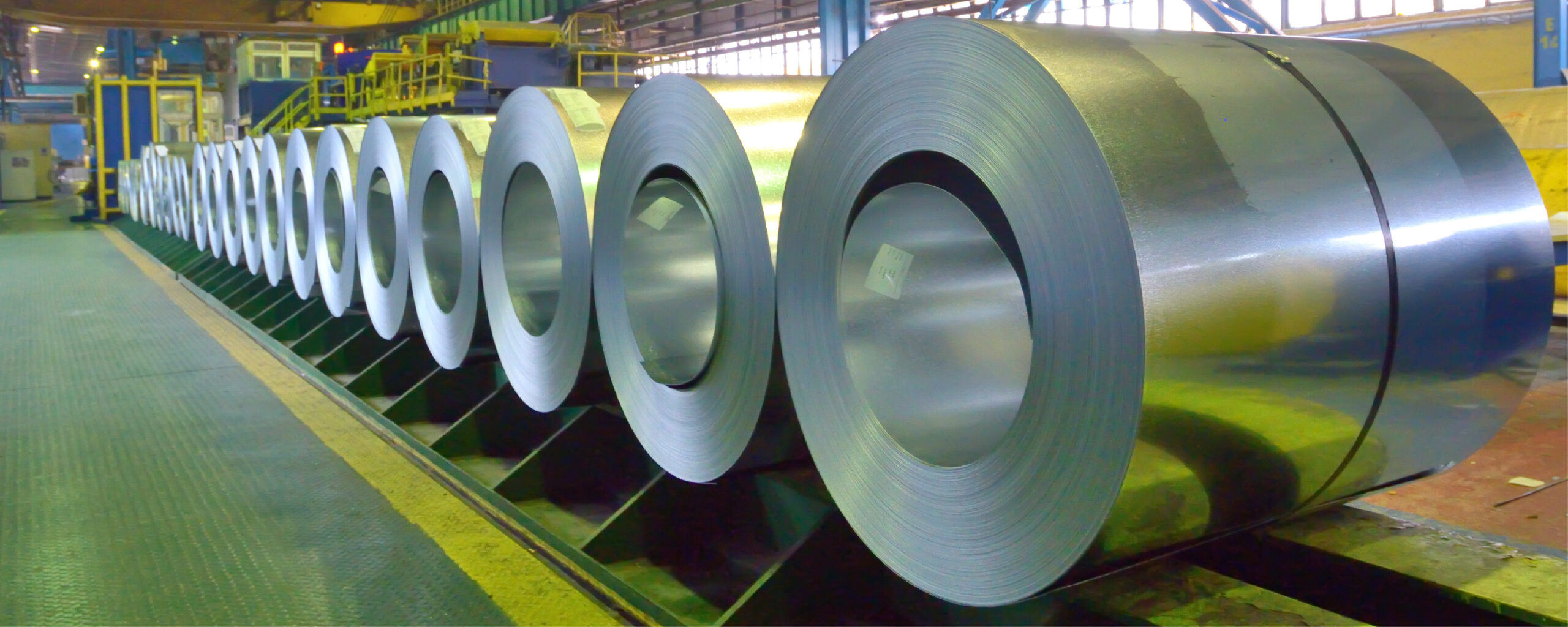
The world is rapidly evolving and growing, but the steel industry has remained a foundational force for manufacturing and infrastructure. However, it is also resulting in massive carbon dioxide (CO2) emissions, contributing to almost 8 percent of global greenhouse gas emissions. Thus, to maintain the pace of development globally and increase steel production without accelerating […]
Microbial Fuel Cells: Electricity from Wastewater

Currently, most industries or domestic houses use electricity produced from non-renewable sources like coal, petrochemical products, etc. The continuous depletion of natural or non-renewable energy resources has led the world to a stage of global energy crisis. To avoid such a crisis in the future, researchers are developing technologies for generating energy from alternative and […]
Can Feedstock Alternatives Resolve The Crunch In Biofuel Industry?

Is the Feedstock Crunch Finally Here in 2026? As per the latest IEA reports, the scarcity of feedstocks and waste-based oils is now a market reality and not a future threat. Feedstock demand will jump 70% from just over 25 million metric tons annually to more than 60 million metric tons by 2030 to meet […]
Seawater Electrolysis: Sustainable Hydrogen Production

Seawater electrolysis presents an innovative approach to harnessing hydrogen energy using seawater as an electrolyte. In this process, an electrolyzer is deployed to split water molecules into oxygen and hydrogen gases by applying an electric current. One of the vital benefits of seawater electrolysis is its independence from freshwater resources, which are becoming scarce. Hybrid […]
Hydrogen Powered Vehicle: A Greener Future
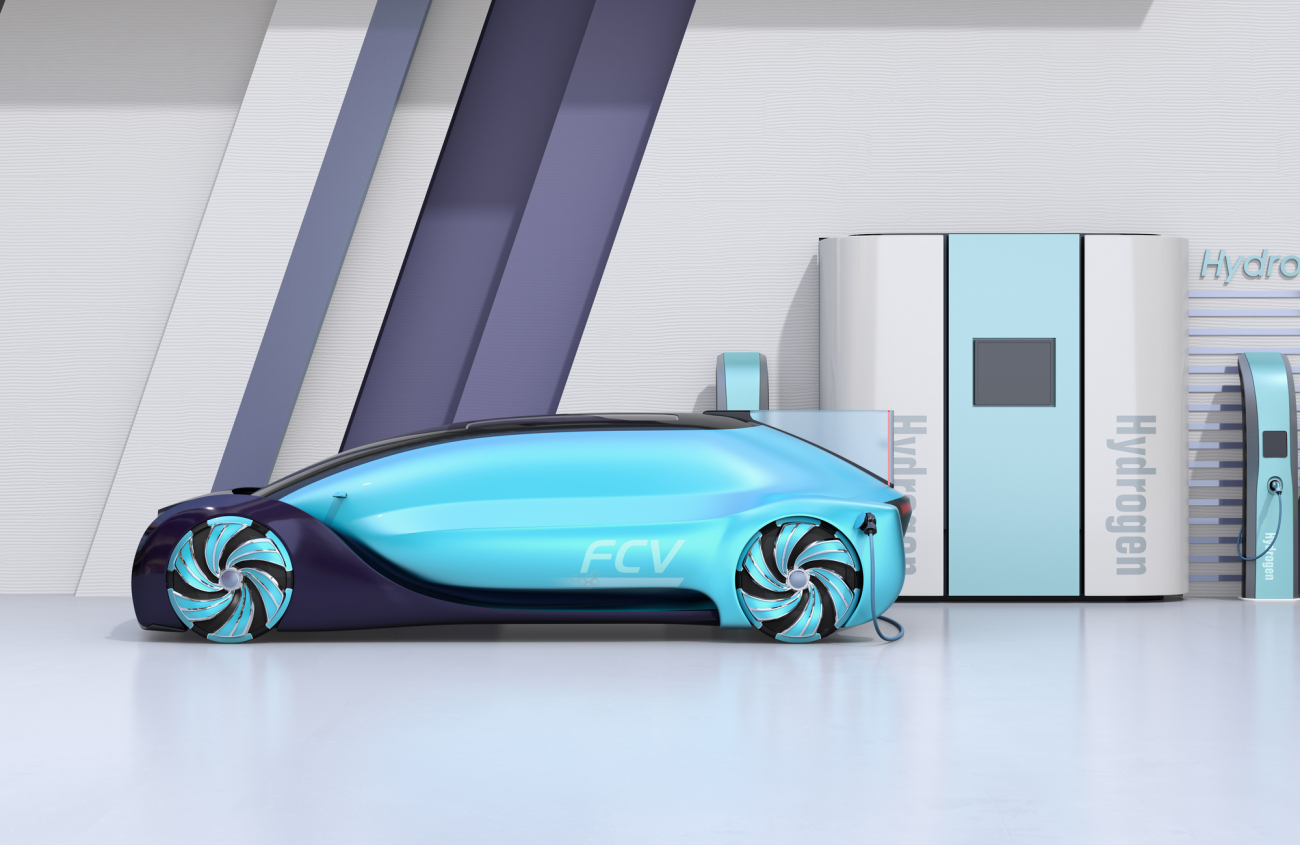
Researchers believe that utilizing hydrogen, the most abundant element in space, could help mitigate the harmful environmental effects caused by the planet’s 1.2 billion vehicles, which currently rely on gasoline and diesel fuel combustion. Like other electric vehicles, Fuel Cell Electric Vehicles (FCEVs) use electricity to power an electric motor. Unlike other electric vehicles, FCEVs […]