
Reverse Food Engineering: A New Sustainable Way

Molecular Ingredient/Reverse food engineering used in the domain of food is a technology that will help to identify cheap and sustainable alternatives over the conventional expensive functional ingredients. This will not only reduce the burden of overproduction of specific ingredients due to increasing food demand but also generate the use of underutilized ingredients and sustain […]
3D Printable Phase-changing Composites
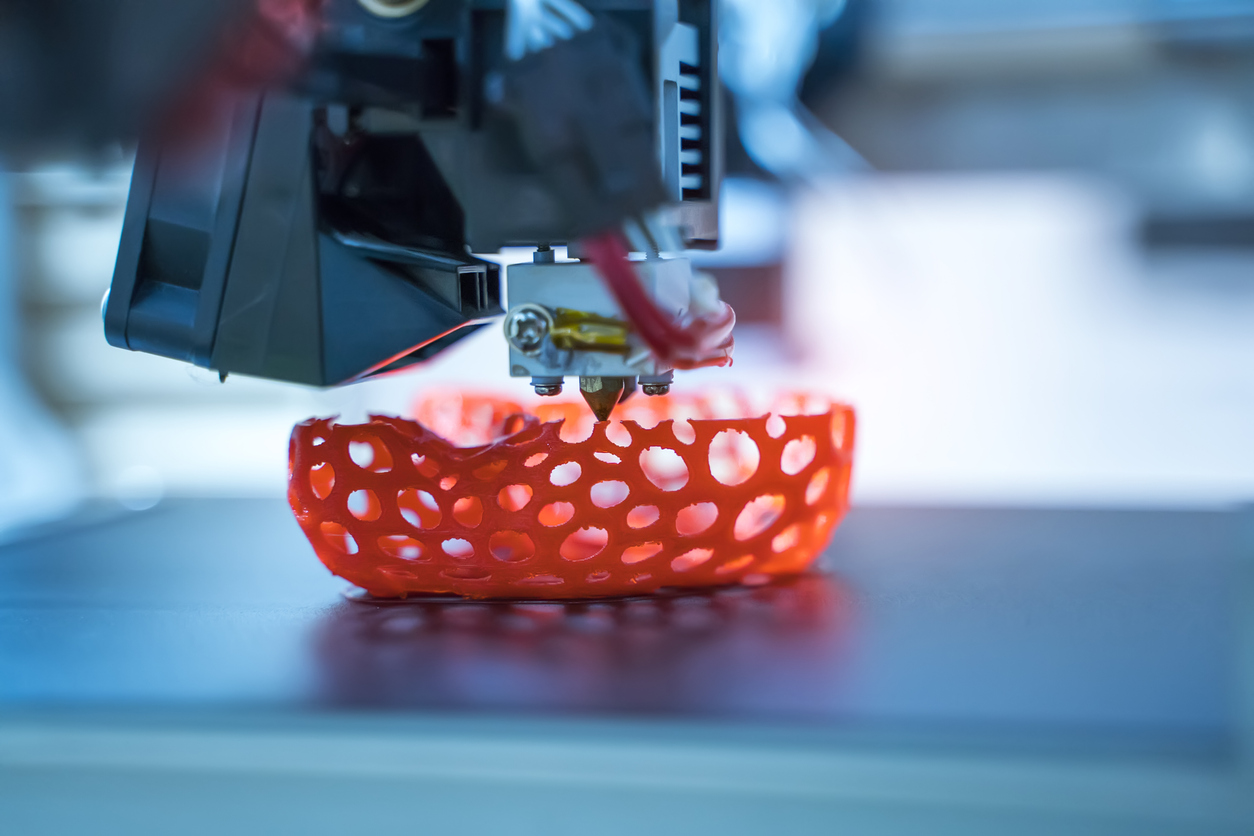
HVAC is one of the potential sectors contributing to global warming, as they emit CFCs which are up to a thousand times more potent to global warming than CO2. The researchers from Texas A&M University come across “a 3D printable phase-changing composites which can regulate temperatures inside buildings” as a solution to HVAC-led global warming. […]
Bioplastics: A Sustainable Alternative to Car Interior

Since its inception, the automotive industry has failed to include sustainable practices in its production cycle. Traditional assembly lines and manufacturing processes many of which are still in use today use huge amounts of energy, metals, plastics, toxins, and manpower; leaving behind a massive carbon footprint. The automobile industry is one of the biggest producers […]
Graphite Repurposing: A Circular-Economic Perspective

Graphite is on the cusp of explosive market growth. As one of the world’s most versatile manufacturing materials, it is a crucial component in new technologies, particularly state-of-the-art batteries that revolutionize energy storage, transport, and mobile electronics. The World Bank says graphite demand will increase by 500% between 2018 and 2050. Electric vehicle uptake will […]
Wet on Wet Coating: New Trends in Painting Technology

The multilayer coating process is one of the most energy-consuming and high-emission processes. Constant innovations are underway to lower the effect of these two drawbacks. A Wet-on-wet coating system has turned out to be one of the most effective ways to counter these two issues simultaneously. This method applies additional coats before the previous coats […]
Advanced Thermal Energy Storage for Energy Supply

Thermal Energy Storage (TES) is an energy storage method that can help balance energy demand and supply daily, weekly, and even seasonally. TES refers to heating or cooling a medium to use the energy when required later. The most common application of TES systems is integration with solar systems. Further, other application areas include storing […]
Soil Release Polymers: The Future of Textile

Over time, there has been a gradual update in the purpose of fabric cleaning. Based on the current situation, effective cleaning is not only related to removing soil and dirt from the fabric. Prevention of the redeposition of soil onto the fabric surface has also become one of the significant credentials for cleaned fabrics. Soil-release […]
Exploring Future Potential For Smart Coatings

Smart coatings epitomize extraordinary films endowed with predetermined attributes that grant them the faculty to diligently perceive and deftly retort to a panoply of environmental and extrinsic instigations. Additionally, the ‘smart coating’ terminology alludes to the intrinsic prowess of coatings to keenly apprehend their milieu and adeptly comport themselves in consonance with said stimuli. Broadly, […]
Zinc-free Floor Finishes: Problems, Mechanism, Analysis

A floor finish is a liquid that dries to a durable, long-lasting, and smooth covering when applied to resilient tiles, wooden, or other floors. This waxed paper-thick covering is expected to protect the flooring from damage and create a lovely look and a slip-resistant surface while increasing lifespan. Natural substances like carnauba wax, beeswax, shellac, […]
Advancements in Controlled Release Delivery Systems for Active Compounds

Certain foods and nutraceuticals are designed to release the active ingredients in a controlled manner or at a specific location for enhanced efficiency and proper absorption of the nutrients. Manufacturers and consumers alike have faced the problem of inefficient ingredient absorption due to the large molecular size and low solubility of active compounds. For ingredients […]