Sustainable Construction: From Materials to Methods
The construction industry continues to lead the way in transforming a world experiencing enormous environmental degradation and climate change difficulties. The need to adopt sustainable techniques reduces the industry’s environmental impact, increases productivity, and minimizes long-term costs that drive the changes in the construction industry.
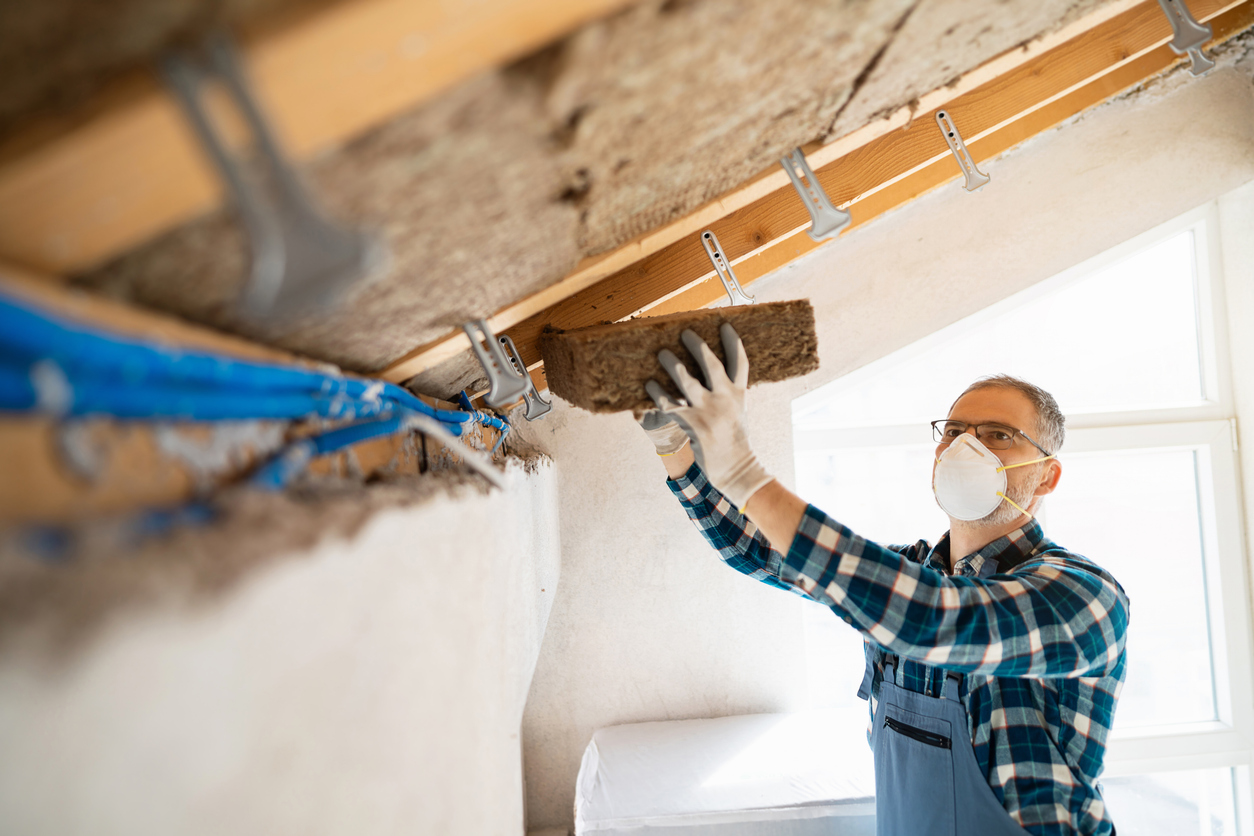
Innovative substitutes gradually replace or supplement traditional materials like steel and concrete, which are known for emitting large amounts of carbon dioxide during production. Reclaimed wood, fly ash, and recycled aggregates are a few examples of the resources that will be incorporated into this change to reduce waste production and resource depletion.
Understanding Sustainability in Building Materials
Sustainability in building materials prioritizes ecological responsibility and resource efficiency and minimizes environmental impact. These materials are obtained, produced, and used in a way that minimizes carbon emissions, lessens the depletion of natural resources, and enhances the health of the environment and its occupants. The development of sustainable innovation in construction materials is advancing rapidly alongside the growth of technology. Innovative technologies, such as biotechnology and nanotechnology, have led to the development of materials with extraordinary qualities. Green concrete, which uses fly ash, pulverized granulated blast furnace slag, and silica fume, offers a sustainable and environmentally friendly substitute.
Discover how these methods are translating into better living conditions and cost savings. Download the full article at:
Let's Take the Conversation Forward
Reach out to Stellarix experts for tailored solutions to streamline your operations and achieve
measurable business excellence.