Frugal Innovation in Robotic Surgery: Unlocking Access through Smart & Scalable Solutions

Precise control, shorter patient recovery times, and better clinical outcomes are key benefits of robotic surgery systems. However, despite these advantages, the high cost of these systems greatly limits their access within the global healthcare system. For example, a traditional surgical robot, such as the da Vinci system, can cost a hospital over $2 million […]
Breaking Barriers: The Rise of Needle-Free Drug Delivery Solutions

For over a century, needles have been synonymous with drug delivery. From routine vaccinations to the management of chronic disorders such as diabetes, injections have remained a medical backbone. But this long-standing standard comes at a price—pain, fear, risk of contamination, and reduced patient compliance. Today, in a world increasingly shaped by patient-centered care and […]
Role of AI in Enhancing Hearing Devices

Artificial Intelligence (AI) is rapidly being integrated into hearing device design and manufacturing, enhancing the devices’ utility and value. AI enhances hearing devices by providing improved and more personalized audio benefits, as well as enhanced health monitoring capabilities. The technology of hearing aids has undergone significant development, progressing from simple auditory amplification to more sophisticated […]
How AI is Redefining Future Trajectories of Cognitive Manufacturing?
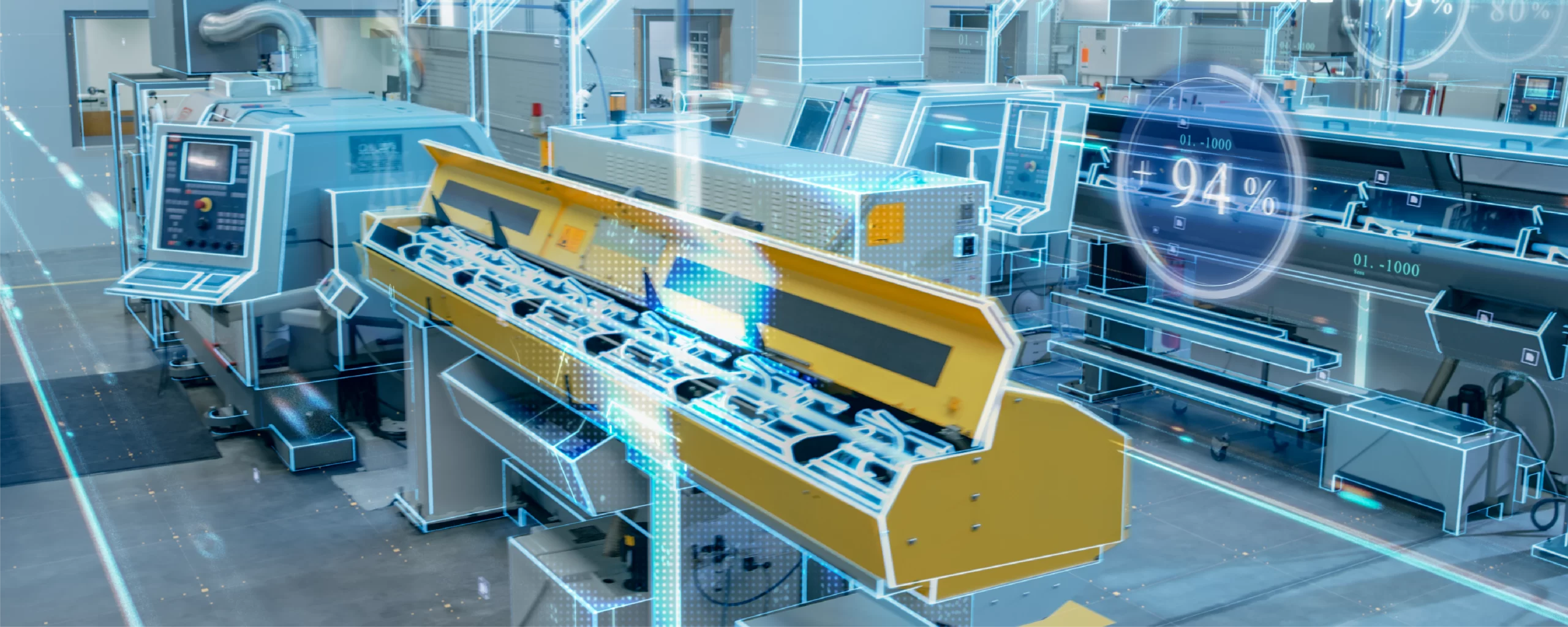
Real-time optimizations and overall improvements have been the highlights of AI adoption in operational and manufacturing ecosystems. However, far ahead of these temporary benefits, Artificial Intelligence (AI) is quietly weaving a cognitive industrial revolution. Though it is a slightly subdued pattern, the gradual shift from rigid automation is already visible in how adaptive systems are […]
The Blue Hydrogen Imperative: Navigating Costs, Emissions, and Regulations

Hydrogen can be termed as blue hydrogen when produced from natural gas(or sometimes coal) through steam methane reforming (SMR) or auto-thermal reforming (ATR), and resulting CO₂ emissions are captured and stored rather than released into the atmosphere. The CO₂ is stored underground using carbon capture and storage (CCS) technology. As a result, blue hydrogen is […]
Edge Computing and IoT Trends In Smart Manufacturing
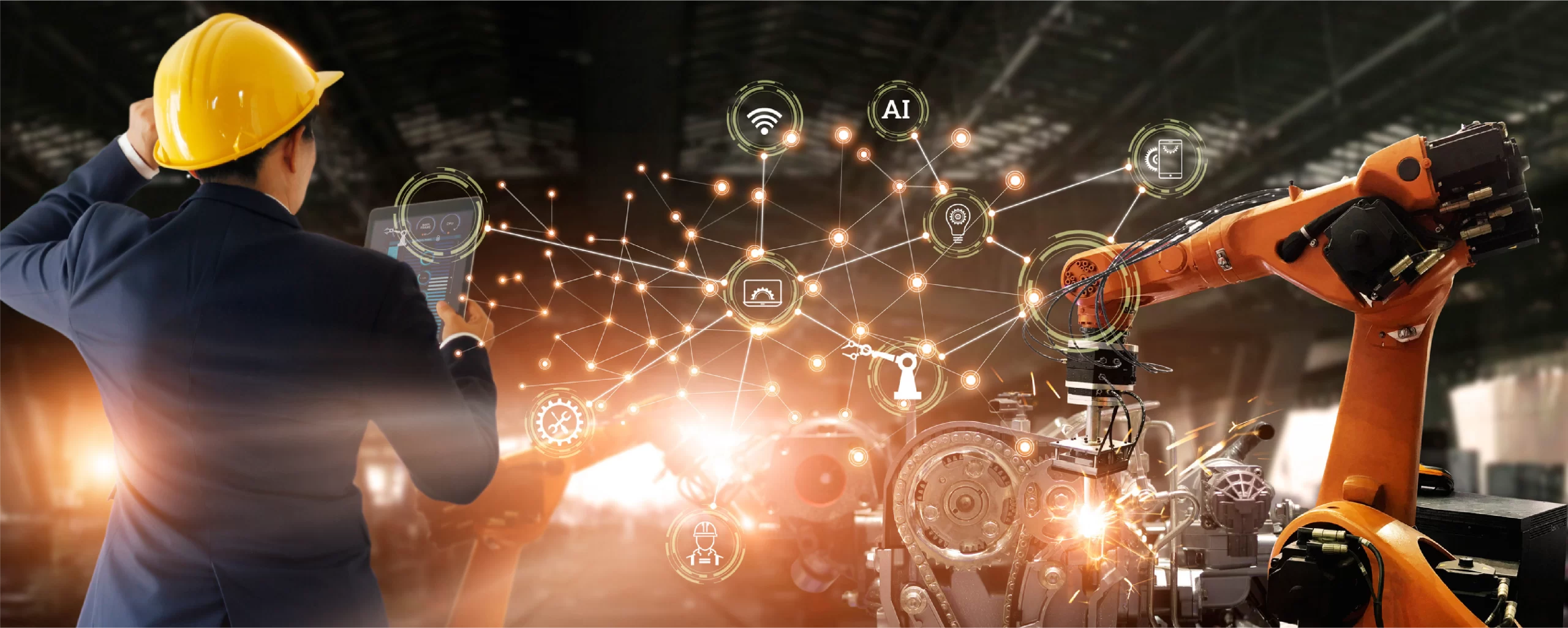
The Internet of Things (IoT) and edge computing are transforming the manufacturing sector by facilitating real-time, data-informed decision-making. By utilizing IoT sensors integrated into equipment, manufacturers can gather operational data and analyze it locally via edge computing. This in-field evaluation minimizes latency, boosts automation, and facilitates predictive maintenance, quality assurance, and productivity enhancements. By reducing […]
e-Powertrain: Driving Tomorrow’s Mobility
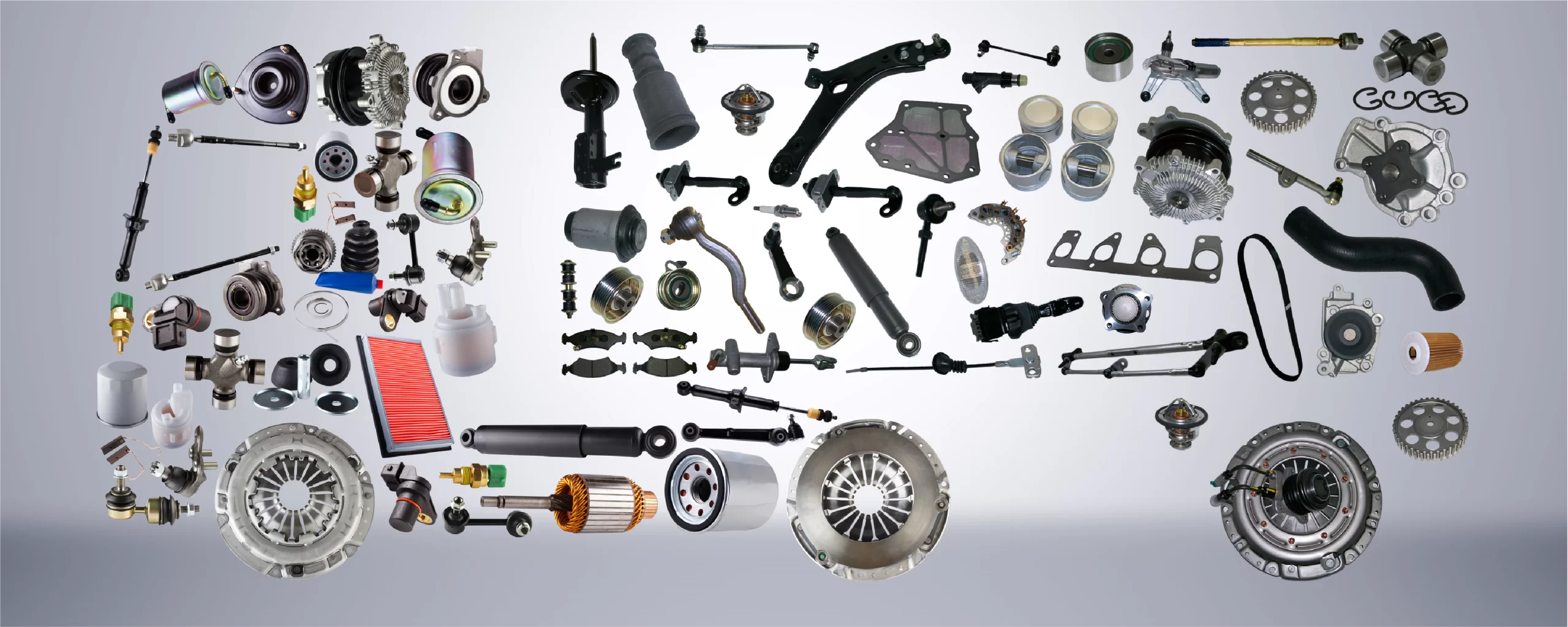
From internal combustion engine (ICE) vehicles to the adoption of electric vehicles (EVs), the primary component in this transformation is the e-powertrain. An e-powertrain typically refers to the various components responsible for converting electrical energy stored in batteries into mechanical energy, thereby propelling the vehicle’s mobility. Normally, it is the “heart” owing to the number […]
AI in Cars: From Assistance to Autonomy
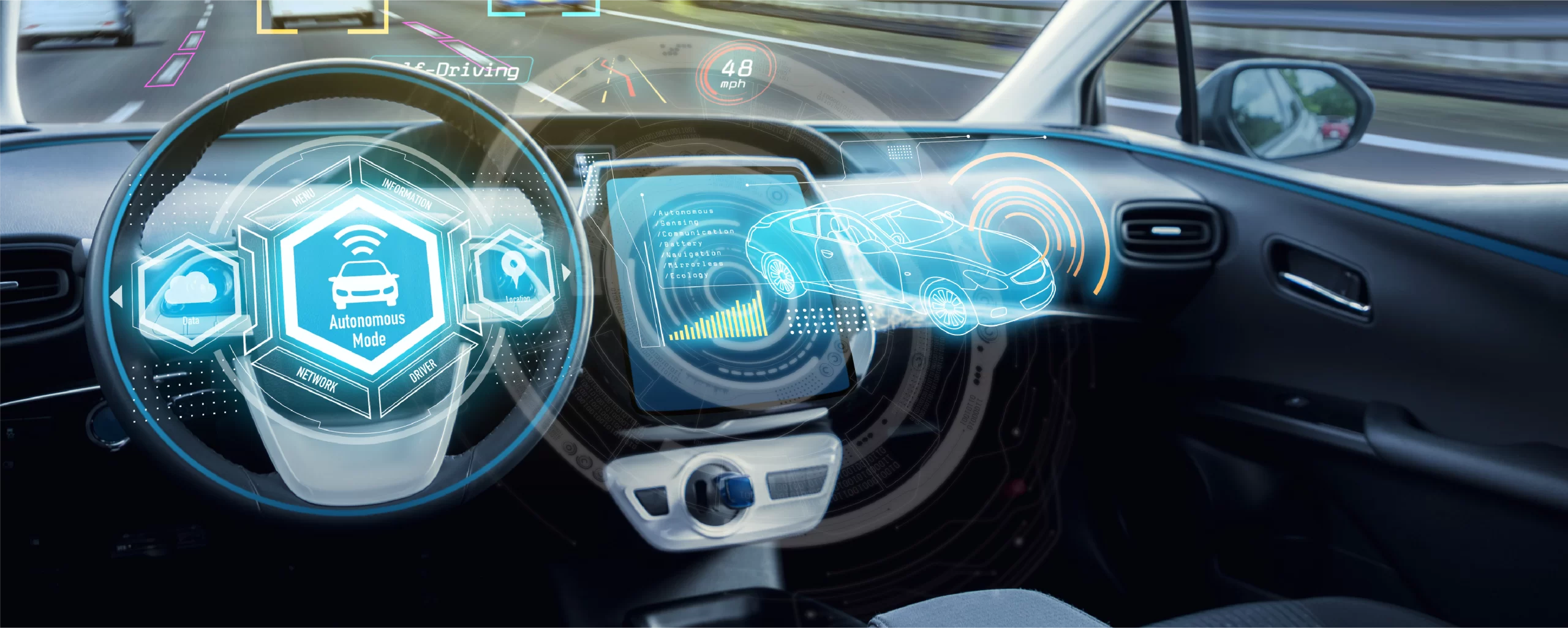
AI has revolutionized the automobile industry by enabling cars to be as intelligent as their electronics, which consumers demand in today’s tech-driven society. Artificial Intelligence is pervasive, from self-driving vehicles to industrial robots in production lines. Leading businesses, including Tesla, Audi, Toyota, and Mercedes-Benz, are implementing AI to improve the consumer experience. With the help […]
AI-Driven Diagnostic Tests in Mental Health Disorders

Mental disorders are a significant global health issue impacting millions of people across the world. Mental health disorders, in the sense of varying conditions like depression, bipolar disorder, schizophrenia, and anxiety, have made diagnosis and treatment complex tasks. Recently invented artificial intelligence-based technologies have become real alternatives to traditional means, including but not limited to […]
Edge AI Technology: A Strategic Advantage for Smart, Sustainable Cities

When cloud computing with virtually unlimited resources was introduced, it was deemed as an answer to the most critical questions regarding the high computational complexities of smart cities. However, these capabilities came with inherent limitations that ranged from non-context-aware behavior to high latency, processing time inefficiencies, and zero-mobility support. These gaps contradicted its application in […]