Partners
Who Trust Us










































Construction 4.0

Embodied Carbon

LEAN Construction

3D Printing

Low Carbon Concrete/Cement


Enabling growth and innovation across the next-gen construction materials.
Cement
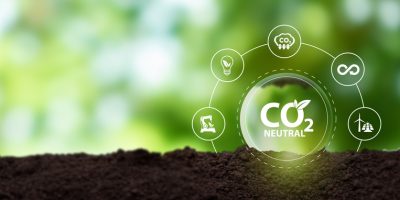
With clinker-to-cement ratio goals falling around 0.57 by 2030, carbon capture, alternative binders, and calcined clay look most promising. But each option has its cost and qualification curve. Stellarix construction technology experts are helping companies build investment-ready decarbonization roadmaps.
Concrete
Cement is the core driver of concrete’s carbon footprint. CO2-cured mixes, supplementary binders, and recycled aggregates are shifting from pilot to commercialization, easing sustainability pressures. We help clients evaluate mix optimization and recycled-aggregate pathways and structure secondary-feedstock partnerships.
Glass
Glass sits on both sides of the energy equation. While building operations consume nearly 30% of global energy, 75% of EU buildings are still energy-inefficient. We are guiding glass manufacturers to screen emerging technologies and evaluate demand for advanced BIPV and glazing operations.
Insulation Materials
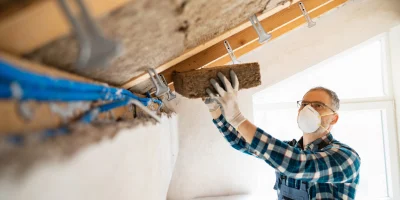
Nearly 75% of buildings today need an efficiency upgrade. The growing demand for insulation is being reshaped by bio-based materials like cellulose, hemp, and wood fiber. These options now compete on embodied carbon, not just thermal performance. We support industry players in evaluating bio-based and retrofit-demand scenarios across regional markets.
Navigating strategic hurdles from embodied carbon to enduring margins.
See how we turn market signals into strategic clarity for the challenges that matter most.

Shrinking commercialization windows, along with long, capital-intensive R&D cycles, are often stranding scale-up projects on volatile feedstock economics. We are integrating innovation strategy, technology intelligence, and our IP advisory to help clients accelerate their material science development initiatives.
By mapping competitive shifts and emerging process technologies, we pinpoint truly investable opportunities, validating pathways through process intensification, compressing timelines, and derisking investment decisions.

We evaluate markets, customers, pricing, and partnerships to shape growth priorities and expansion pathways. Our capabilities encompass market assessment, market segmentation, growth opportunity analysis, and strategic alliances.

We develop decarbonization and circular economy strategies that connect resource efficiency and resilience with commercial objectives and long-term value creation.

Our work includes margin analysis, pricing and cost scenarios, portfolio exposure, supplier benchmarking, and alternative sourcing to support operational decisions.

Stellarix integrates early-warning monitoring, regulatory assessment, and future-state scenarios to inform mitigation, preparedness, and investment decisions.

Our expertise includes evaluating customer and stakeholder needs, reimbursement factors, value propositions, positioning, and commercialization strategies to identify effective market-entry approaches.

Our dashboards unify feedstock, restriction, and sustainability signals through tailored reports, dynamic filters, raw data reports, and expert-curated insights.
Explore how circularity, changing consumer expectations, and tightening regulations are reshaping chemical and materials value chains and competitive advantage.