Next-Gen Toothpaste Tablets: Eco-Friendly Waterless Oral Care
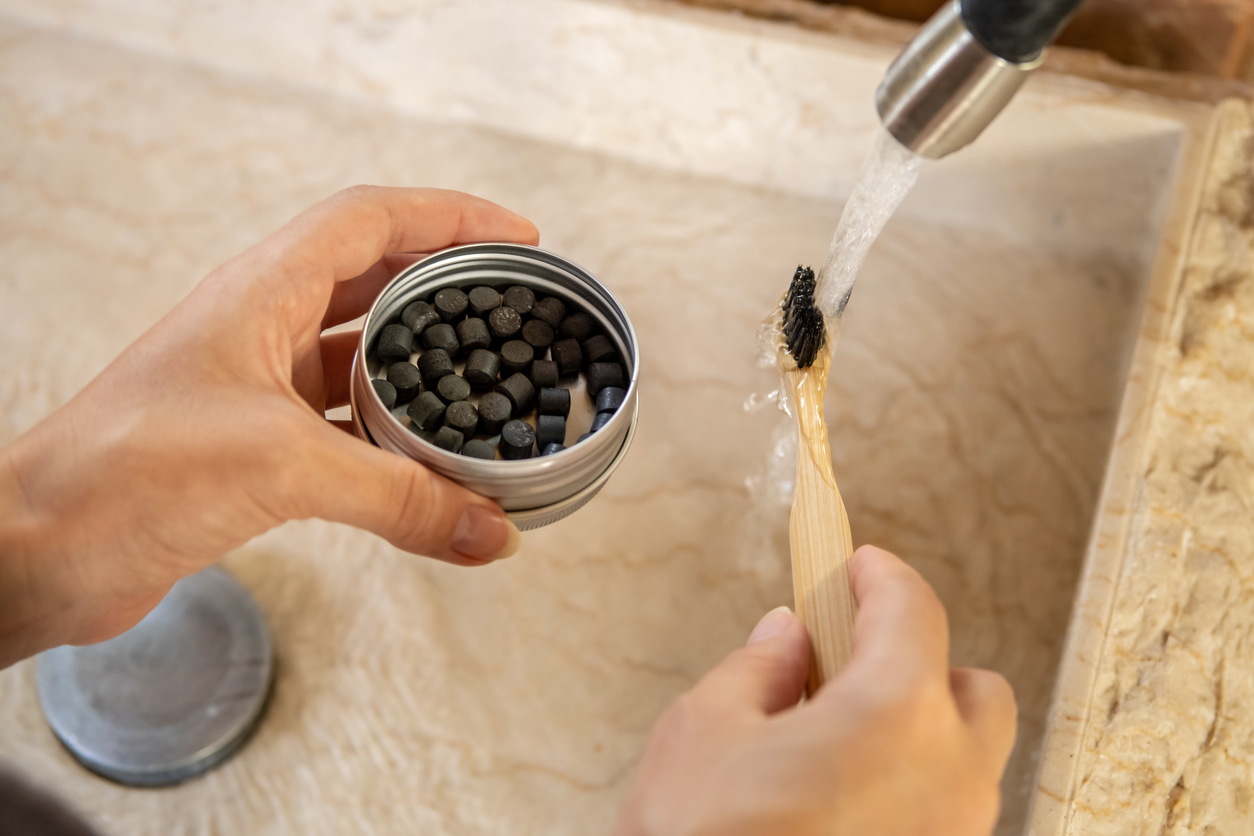
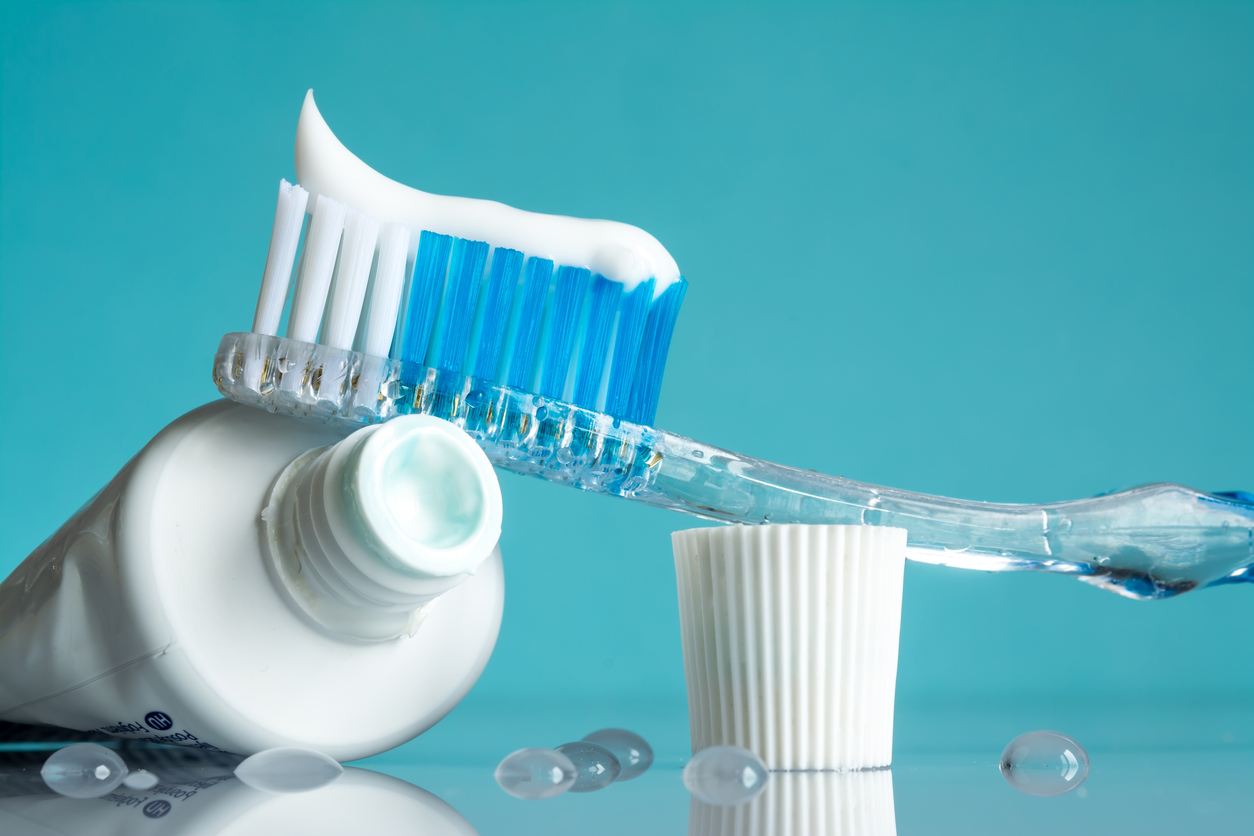
Toothpaste, whether in gel or paste form, actively eliminates plaque, a sticky film of bacteria and food particles that continuously accumulate on the surfaces of teeth. Conventional toothpaste uses several chemically derived substances that take longer to degrade. The emptied toothpaste tubes end up in landfills, which aids in the environmental crisis. Due to the increasing awareness of health and the environment among people, sustainable and clean-label personal care products, such as chewable toothpaste tablets, are gaining more importance.
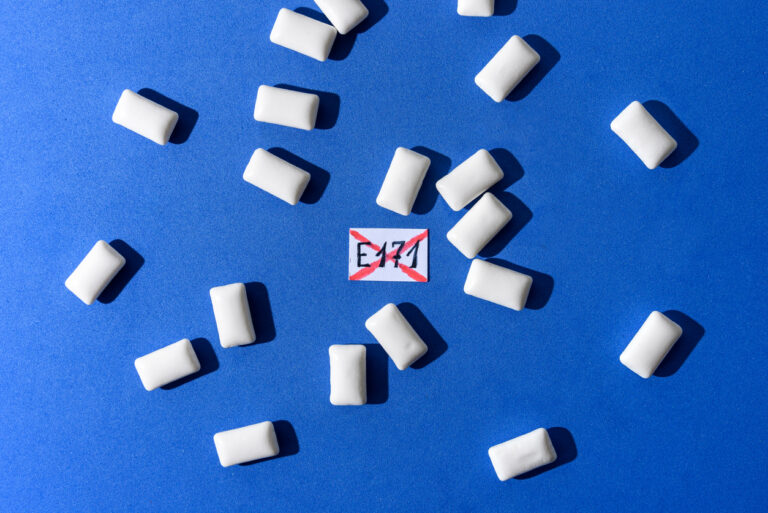
Chewable toothpaste tablets are waterless, powdered toothpaste compressed into a tablet form. These tablets comprise surfactants that reduce surface tension and perform well in contact with saliva. It has also proven to be very effective in reducing the micro-adhesion of bacteria. Like conventional kinds of toothpaste, toothpaste tablets come in fluoride-containing free forms. It comes in various flavors, such as tea-tree oil, mint, etc.
Chewable Toothpaste Tablet
Chewable toothpaste pills offer a bite-sized option that allows for easy chewing and saliva mixing to achieve a paste consistency. Xylitol, calcium carbonate, sodium bicarbonate, and derivatives of tartaric acid are the key ingredients of toothpaste tablets, a waterless formulation. These toothpaste tablets are available in fluoride-containing and fluoride-free forms. The requirement for preservatives is also less in toothpaste tablets.
Steps in using these tablets:
- Chewing: Put the tablet between your teeth and crush, chew for a few seconds.
- Brushing: Toothbrush bristles are wetted and brushed for about 2 minutes.
- Rinse and spit.
Mechanism & Benefits
When a tablet is popped and chewed, the powdered formulation mixes with saliva, forming a paste. The rate of dissolution of the tablet increases upon contact with saliva.
It also contains an abrasive agent in sufficient amounts to remove debris from the teeth’s surface and mechanically debride plaque.
- Natural Ingredients: Powerful cleaning is provided by plant-based ingredients, such as xylitol, sodium bicarbonate, etc.
- Saves Water: Manufacturing conventional toothpaste tubes requires a lot of water. The waterless format is not just a sustainability attribute; it’s a regulatory and commercial strategy. In the EU, the Commission Regulation 2023/2055 came into force in 2023. The rinse-off cosmetics, including toothpastes, now face a more stringent deadline of October 27, 2027. Only products free of synthetic polymer microplastics would not be under obligation to abide by this framework.
- Convenient to Carry Around: While traveling with conventional toothpaste, there is a constant fear of spilling due to the squishing of the tube. But tablet form has made overall travel carefree. Also, the reduced bulkiness of the packaging saves up a lot of space for other essentials.
- Low Preservative: The ingredients in toothpaste tablets undergo compression into long-lasting tablets, requiring fewer preservatives and offering a more sustainable option.
- Eco-friendly: Unlike conventional ones that use aluminum-plastic composite tubes, these tablets offer scope for 100% plastic-free or biodegradable packaging.
What Do the Next Generation of Consumers Expect?
The consumer browsing through the toothpaste tablet category is not looking for a hygiene product; they are looking to modify their lifestyle. As more and more consumers acknowledge the significance of sustainable choices in grooming and beauty products, the willingness to pay a premium for ethically sound, sustainable products also goes high. Along with them, more than 75% Gen Z consumers are considering ingredient transparency while making purchasing decisions. Colgate entered this space to position itself against beauty retail brands, not just the toothpaste brands. Independent brands entering this space without a beauty positioning strategy will find themselves on the wrong side of the competitive frame.
Nano-Hydroxyapatite – The Ingredient Strategy
Nano-hydroxyapatite (nHA) is swiftly moving from niche to regulatory category, especially within the EU cosmetics law. In March 2023, the EU Scientific Committee on Consumer Safety (SCCS) confirmed that nHA is safe to be used in toothpaste up to 10% and 0.465% in mouthwashes. In 2024, the EU Commission Regulation 2024/858 mandated nHA compliance with particle specifications and to remove non-compliant products from the market as of 2025. This limit was then revised in the second half of 2025, as it was allowed by 29.5% in toothpaste and 10% in mouthwashes.
The EU’s affirmative progress on nHA makes it one of the most reliable fluoride alternatives that could gain entry in the European market. Unlike fluoride and other functional alternatives, nHA has a regulatory pathway in the EU cosmetics law within defined limits. However, the supply chain caveat is real; the nHA permissions are restricted to specific particle geometries. Therefore, Asian manufacturers using needle-shaped particles might find it difficult to find a place in European markets. Supplier qualification will therefore be a formulation-stage decision rather than a procurement afterthought.
Market Opportunity
By 2035, the toothpaste tablet category will represent 0.5% of the estimated $28 billion +global toothpaste category. This market is slated to reach $242 million by 2035. However, the window for independent brand positioning is narrowing fast. Colgate entered the toothpaste tablet format through its sub-brand in 2021, repositioning tablets not as some eco-novelty but as oral aesthetics. It also reformulated its children’s toothpaste packaging in response to the Texas Attorney General’s fluoride marketing investigation. It is a signal that even the global leaders are embracing the shifting consumer and regulatory environment. Brands entering this space over the next 1-2 years will catch up in time, but those waiting beyond that will have to work much harder for shelf space for a long time.
Conclusion
Being a nascent field, more research is being done to develop and produce this tablet. Till now, research in the domain has been limited to the efficacy of tablets. Having no preservatives, these tablets are readily acceptable to consumers. In addition, the higher cost of these tablets will be overcome in the near future by evolving production techniques, making them a perfect replacement for regular toothpaste. Furthermore, increasing consumers’ shift from liquid toothpaste to chewable toothpaste tablets will reduce environmental pollution.
The window for establishing defensible positions is measured in weeks and months, not years. Stellarix is helping CPG leaders find their way into this space with integrated strategic partner scouting, market & business strategies. We are helping clients navigate formulation decisions, supplier qualification, co-man partnerships, and GTM strategies.
Looking to de-risk your next-gen oral care product launch? Talk to our consulting experts today.
Let's Take the Conversation Forward
Reach out to Stellarix experts for tailored solutions to streamline your operations and achieve
measurable business excellence.