Skin Barrier Reinforcement: Deep Dive into Latest Advancements
Dermatological diseases account for the fourth most common cause of non-fatal disease burdens globally. Skin disease exacerbation roots in cumulative aggravation of multiple factors that range from genetics to climate, air pollution, industrialization, and mental stress. Additionally, COVID-19 stripped the human skin of its microbiome and other natural barriers, making it more susceptible to the effects of mounting stress and climate change.
As consumer interest in healthy skin and inside-out beauty norms piques, the skincare industry is expected to offer solutions that rectify impaired skin barriers and reinforce the best protection layer for the largest organ in the human body. The market growth is primarily driven by millennials’ demand for skin barrier products, and it is expected that the market will reach $1.12 billion by the end of 2025.
In this write-up, we assess the recent research advancements that are providing a helping hand to formulators in this context, along with the most innovative solutions that are currently leading the niche.
Skin Barrier Strengthening: Recent Scientific Advancements
Biomimetic Lipid-based Formulations
- Triple Lipid Barrier Repair Therapy: Ceramides, free fatty acids, and cholesterol-based formulations mimic natural skin lipids and thus help improve lamellar bilayer formation along with antimicrobial defense. For instance, a pilot study comparing the effect of a conventional moisturizer and a skin barrier emulsion cream on patients with atopic dermatitis concluded that the latter, a ceramide-dominant, triple-lipid formulation, improved the skin barrier with significantly higher efficiency than its conventional counterpart. Similarly, cholesterol- and free fatty acid-based formulations demonstrated higher efficacy in restoring the stratum corneum structure while reducing inflammation in patients with atopic dermatitis.
- Ceramide-Dominant Products: In a natural state, ceramides are present in the stratum corneum. With free fatty acids, cholesterol, and other lipid groups, they form a strong barrier to prevent water evaporation from the skin and penetration of foreign agents. Any changes in their composition or natural arrangement have been strongly linked to various skin diseases and conditions, including psoriasis and atopic dermatitis. Therefore, the introduction of ceramides in skincare formulations for topical applications could be the key to preventing or treating the aforementioned skin conditions. However, the rigorous processes involved in incorporating ceramides into the final product come with their own set of challenges that have yet to be addressed.
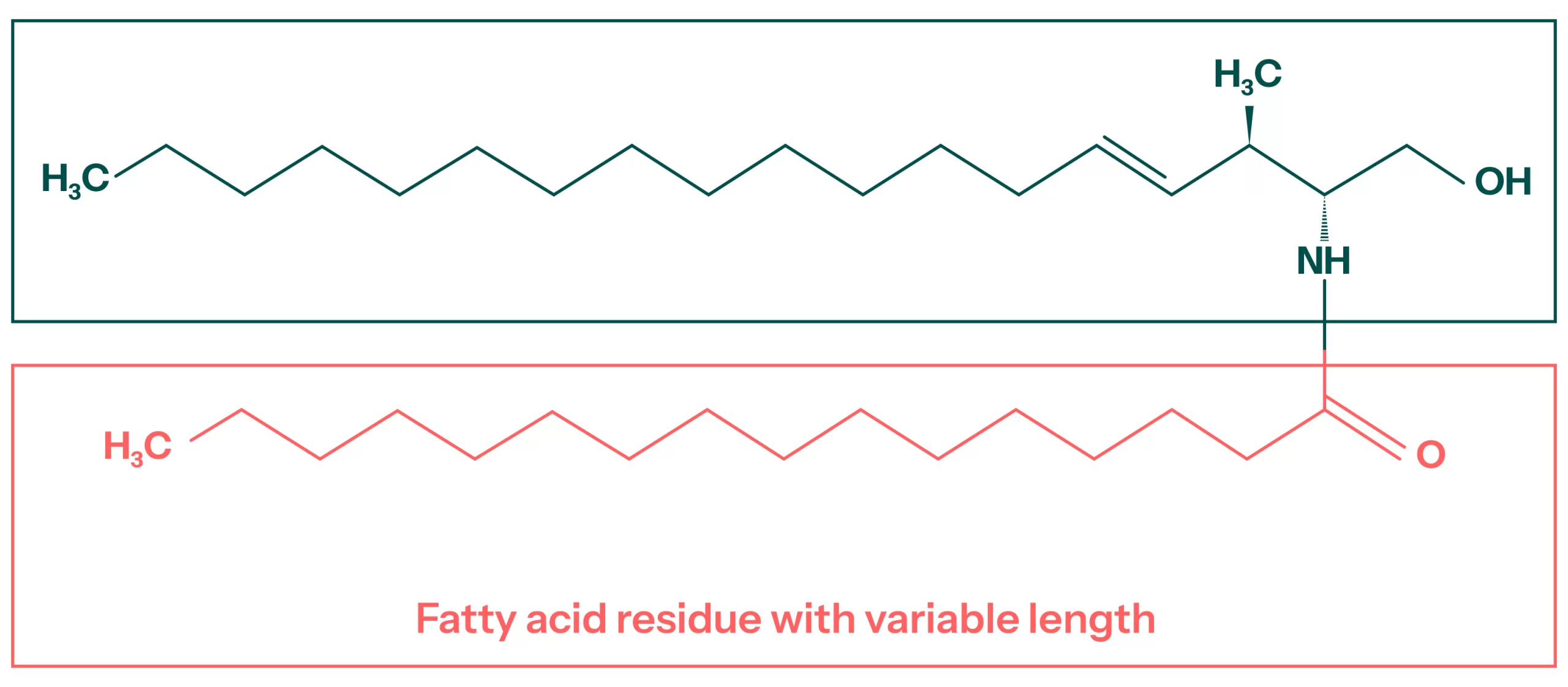
Figure 1: Ceramide Structure
Get the complete picture on biotech-driven ingredients, advanced delivery solutions, and skin barrier reinforcement agents at:
Let's Take the Conversation Forward
Reach out to Stellarix experts for tailored solutions to streamline your operations and achieve
measurable business excellence.