Pharma’s Eco Pill- Sustainable Packaging

Given the growing environmental issues, the pharmaceutical industry is facing increasing pressure to implement sustainable practices. One major area of emphasis is packaging. Most conventional medicinal packaging has been deemed incongruous due to environmental concerns, including its high plastic content and use of non-recyclable materials. The management of packaging waste is now one of the key problems of this sector.
The concept of the “Eco Pill” presents a revolutionary solution to this problem. Its primary objective is to minimize adverse environmental impacts while maintaining the safety and effectiveness of the product. The idea of the “Eco Pill” is a paradigm-shifting approach to encasement of products, without compromising the health and stability of the contained material and its environment.
This article aims to highlight the increasing adoption of sustainable packaging in the pharmaceutical industry, including its advantages, innovations, challenges, and future outlook.
The Need for Sustainable Packaging
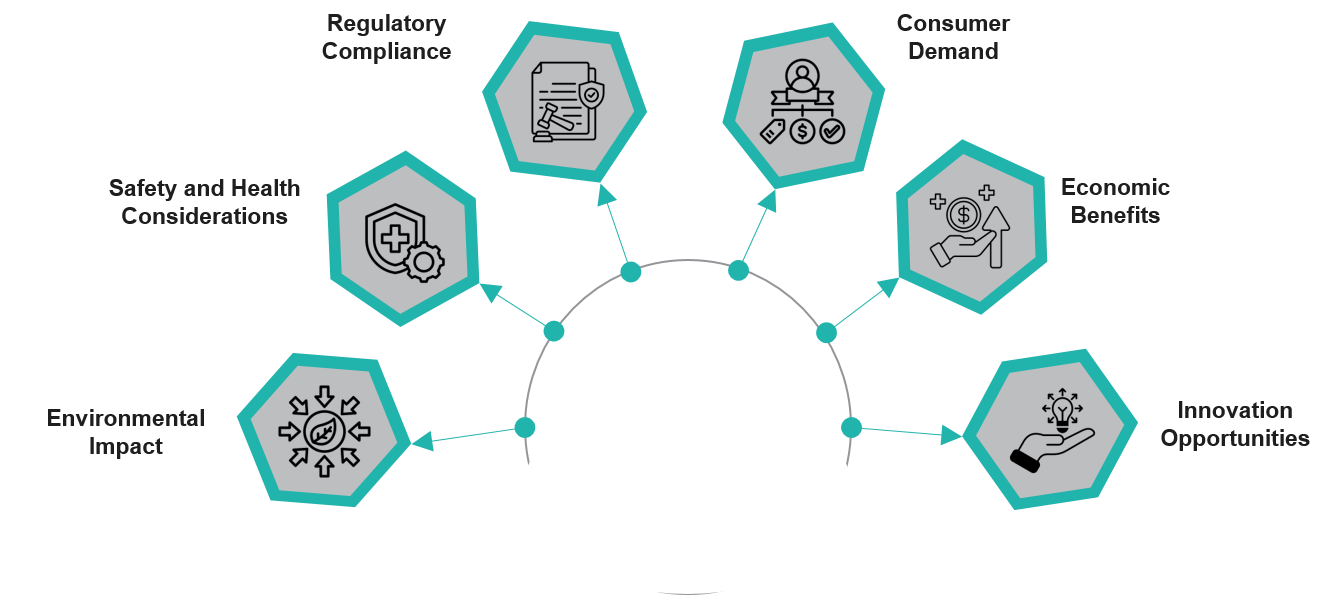
Several factors underscore the necessity of sustainable packaging of pills, especially public health and environmental impact, as well as consumer demand for such conventional alternatives. Below is a brief explanation of the need for making such changes:
Safety and Health Considerations
A lot of conventional packaging materials may have toxic chemicals that may seep into the medicines contained therein. Non-toxic and safe materials can be envisaged for use in sustainable packaging to enhance consumers’ safety. Eco-friendly designs can still include child-proof options for safety measures, thus maintaining the effectiveness of the packaging without causing harm to the environment.
Environmental Impact
Conventional pill packaging typically uses single-use plastic, which significantly contributes to environmental pollution. The use of eco-friendly options aids in alleviating the over-reliance on plastics and subsequently controls the amount of plastic waste deposited in the oceans and landfills. There are several solutions to consider when it comes to addressing the issue of packaging waste. One of them is the choice of materials for the packaging blueprints.
Regulatory Compliance
With governments and regulatory bodies showing increased interest in the environmental impacts of packaging, sustainable solutions can also help the pharmaceutical sector address compliance issues related to increasingly stringent regulations on waste reduction and material sourcing.
Consumer Demand
More and more consumers are becoming aware of the negative environmental impact of certain purchases and are seeking products that align with their values. Eco-friendly packaging can enhance customer loyalty and attract new customers who are interested in eco-friendly initiatives. Some customers want to know the origin and ecological effects of products to have more faith in companies that adopt sustainable measures.
Economic Benefits
Outlays incurred in sustainable packaging would be relatively higher at the onset. Still, due to lower material costs and waste management expenditures, significant savings would be achieved over time. When sustainable packaging is adopted, it can be used as an effective tool in marketing products, offering a competitive edge over others, especially among customers who care about the environment.
Innovation Opportunities
The emphasis on sustainable packaging creates an opportunity for advancing materials science, which has led to the development of alternatives such as phytogenic plastics or plastics designed explicitly for the medicinal sector, composed of recycled materials. Businesses may investigate take-back systems or some form of refillable packaging that complements a circular economy where sources are fully used and the least waste is produced.
Innovations in Sustainable Packaging
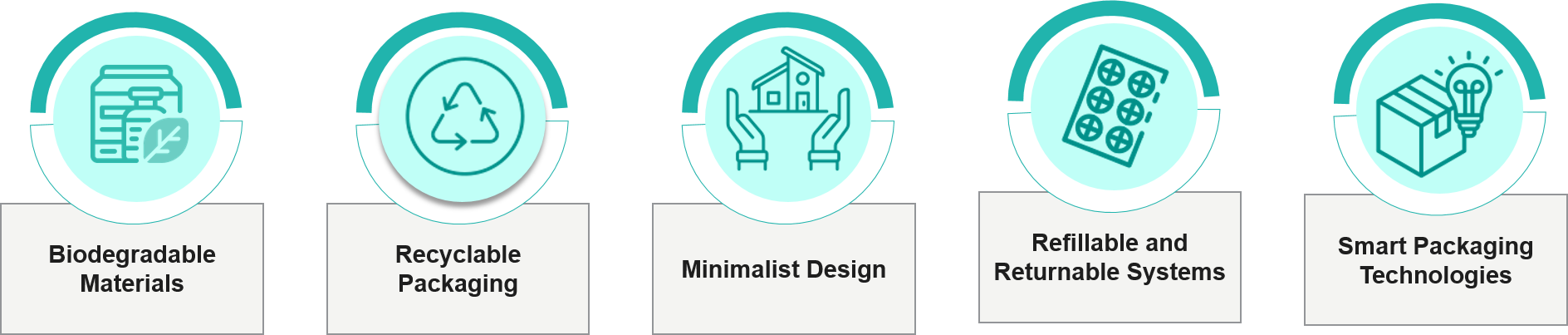
The Eco-pill concept is an innovative eco-packaging solution that prioritizes sustainability in pharmaceutical packaging, with no adverse effects on product integrity. This covers several strategies:
Biodegradable Materials
Pharmaceutical companies are actively looking for biocompatible components sourced from nature, including plant-derived polymers. These materials are capable of self-decomposition, which lessens the amount of solid waste in landfills in the long run.
Recyclable Packaging
Packaging that can be easily recycled will have a less detrimental impact on the environment. This is due to the innovations in design, which are improving the availability of the materials used, thus increasing the recovery rates.
Minimalist Design
One of the principles for going green is to adopt an eco-friendly approach in terms of minimizing the volume of packages used. Materials can be reduced through the adoption of minimalist designs that maintain the standard qualities of protection for the product.
Refillable and Returnable Systems
Introducing systems that allow consumers to return or refill their packaging can dramatically reduce the use of single-use materials. This model promotes a circular economy that aims to keep products and materials in use rather than discarding them.
Smart Packaging Technologies
In addition, modern technologies, including QR codes and NFC tags, can help provide information about packaging materials, guiding consumers to dispose of them appropriately.
Also Read- Preserving Health With Sustainable Pharmaceutical Packaging Solutions
Case Studies
Company Initiatives
Many pharmaceutical firms’ initiatives aim to promote sustainable packaging. A few of the instances are noted below.
- The company Bristol-Myers Squibb promises to reduce the environmental impact of its packaging by incorporating more recycled materials in its development and improving the design further.
- Novartis has designed packaging alternatives that are environmentally friendly materials, such as plant-based substitutes for plastics, and has developed various advanced forms of shipment to reduce the generation of waste material.
- GSK has made promising commitments to reduce its environmental impact and has adopted some sustainable practices within its process related to packaging.
Collaborative Efforts
The healthcare sector is also experiencing partnerships directed towards the creation of standards for eco-friendly packaging. The Sustainable Packaging Coalition, for example, has members from different industries, even from the pharmaceutical sector, whose primary goal is to encourage the exchange of innovative ideas and practices.
Challenges in Sustainable Packaging
Pharma’s Eco Pill is likely a response to several prominent challenges that the pharmaceutical sector faces when adopting sustainable packaging. Those include:

Material Compatibility
Finding green alternatives can be difficult, including sourcing materials that offer adequate protection against light, moisture, and contamination while providing the proper shelf life.
Cost Implications
There tends to be a considerable price difference at the onset because the use of sustainable materials and processes is relatively more expensive, and this does not favor profitability-driven companies.
Supply Chain Complexity
Finding sustainable materials and ensuring a more sophisticated supply chain is quite challenging, especially in maintaining consistency and reliability.
Consumer Perception
Creating eco-friendly products is a challenge for an emerging audience seeking such products. However, some consumers are not motivated in this way but instead focus on practical use and safety, which are thus likely to inhibit the adoption rates.
Waste Management
It is of utmost importance that the new packaging materials introduced are indeed recyclable or biodegradable, and also that adequate consumer education on disposal is undertaken.
Innovation and R&D
Investment in R&D is critical to developing innovative and more sustainable packaging solutions. These are some of the issues that can impede some companies.
Market Differentiation
Differentiating oneself from competitors who may have also adopted eco-friendly strategies by utilizing green packaging can be difficult.
Lifecycle Assessment
Evaluating the environmental consequences of new packaging designs, from conception to disposal, across all stages of their life cycle, can pose challenges in terms of accuracy and resource consumption.
Also Read- Sustainability and Life Cycle Analysis in Medical Devices
Conclusion
In conclusion, the application of Pharma’s Eco Pill is a crucial development for the world of pharmaceuticals, concerned with the adverse effects of packaging materials on the environment. This initiative effectively supports a greener vision of the future by embracing eco-friendly materials, alleviating plastic pollution, and searching for advanced designs, addressing the needs of consumers and regulatory demands. The transformation of pharmaceuticals into greener packaging requires significant reductions in carbon footprints by the industry, saving hundreds of thousands of resources, and instilling environmental values in many sectors and industries. Thus, this principal component is critical to future efforts in climate change mitigation and the conservation of the natural ecosystem.
Let's Take the Conversation Forward
Reach out to Stellarix experts for tailored solutions to streamline your operations and achieve
measurable business excellence.