How the GLP-1 Era is driving a Paradigm Shift in Food Industry Growth?

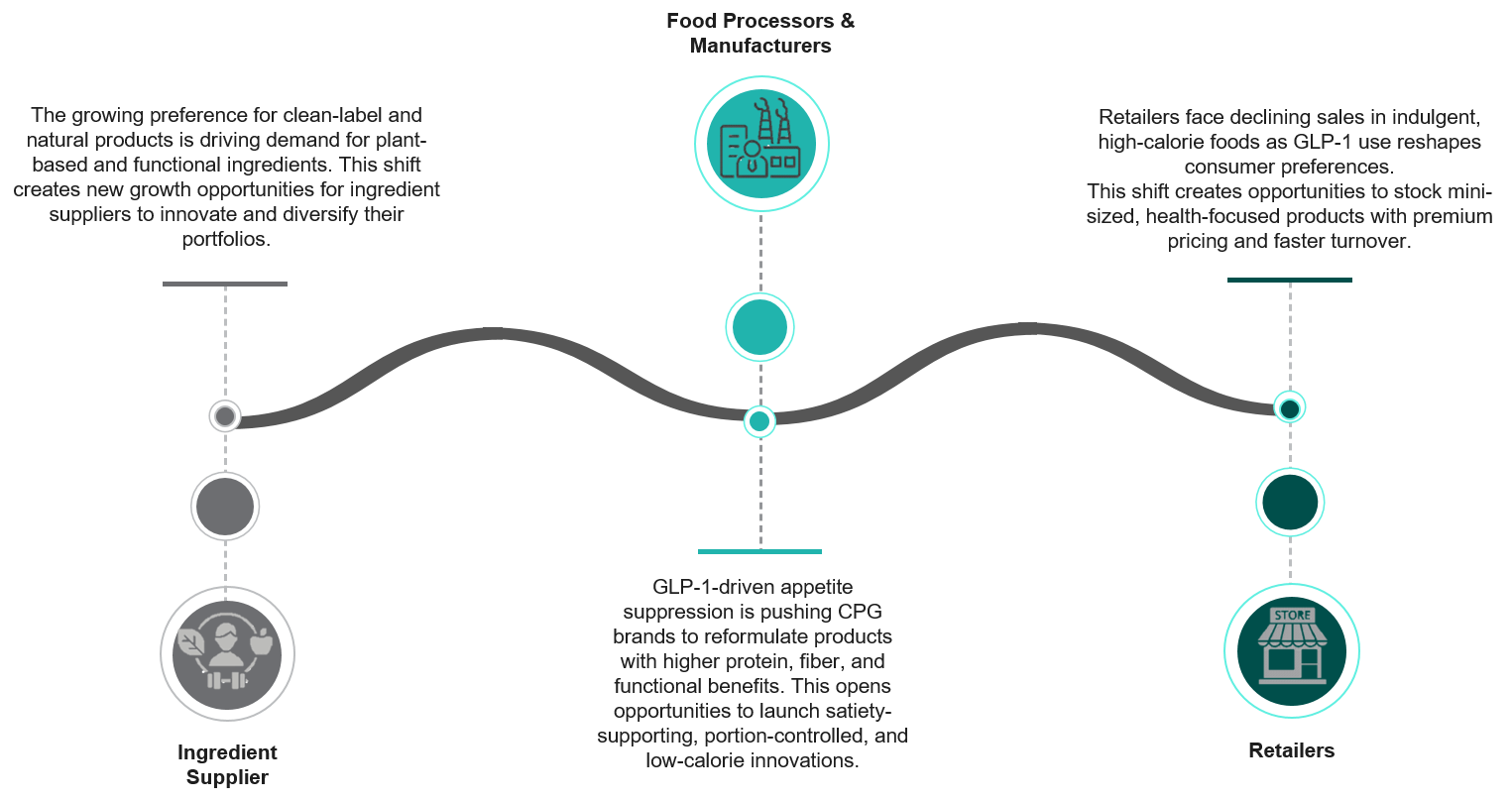
This shift in market dynamics is causing industry-wide repercussions, especially in the food and beverage industry. Businesses throughout the food chain are feeling the need to change due to the widespread use of GLP-1 medications, which are changing consumer behaviour. While this poses challenges for manufacturers, it also creates novel opportunities for innovation in product development, marketing, and nutrition-focused products.
GLP-1: Key to Metabolic Health
GLP-1 is a hormone produced in the small intestine that helps regulate key metabolic functions, such as stimulating insulin release, suppressing glucagon, and promoting satiety. GLP-1 receptor agonists help people with type 2 diabetes control their blood sugar levels by increasing insulin production and delaying stomach emptying. These effects influence hunger and appetite, which, in turn, lead to weight reduction by delaying digestion and promoting satiety.
Impact on the Food Industry
Challenges
1. Changing Consumer Preferences and Appetite: GLP-1 drugs have a strong effect on taste sensitivity and food preferences, including the ability to reduce cravings by decreasing the brain’s reward responses to high-calorie foods. As a result, cravings tend to decrease, and there is less appeal for calorie- and overindulgent products, ultimately changing consumer preferences and purchasing habits.
2. Product Diversification: The food industry is increasingly exploring how to diversify its product offerings to address the specific nutritional needs of GLP-1 medication users, without disrupting its core product line. Innovation and consistency are important for finding the right balance in the development of new products, as innovation can attract various age groups and economic segments, while consistency in formulations helps maintain customer brand loyalty.
3. Increased Demand for Reduced-Calorie/Glycaemic Foods: GLP-1 medications are reshaping not only the quantities, but also the nature of food that consumers choose. This shift presents great opportunities and challenges to the food industry. As the use of GLP-1 medications continues to grow, food companies will face significant challenges, as demand for high-calorie/fat/sugar processed foods steadily declines.
Drivers
1. Growing Demand for Functional and Medical Nutrition: GLP-1 users often struggle to satisfy their daily nutritional needs as they consume fewer calories. This creates a growth opportunity to develop functional and medical nutrition products that help boost wellness through reduced food intake. Manufacturers can move forward with this trend by offering convenient products that connect nutrition with clinical wellness and support GLP-1 drug use.
2. Rise of Personalized Nutrition: As consumers shift toward more systematic routines by tracking insulin or other micronutrients, this has led to a growing need for the development of alternatives. The demand for healthy caloric substitutions and even precision nutrition websites that match food with biomarkers or pharmaceuticals has risen significantly.
Watch our latest webinar on food growth in the age of GLP-1:
Innovation Opportunities
1. Natural Ingredients Activate GLP-1 Secretion: This opens up opportunities to develop innovative products for health-conscious consumers. By emphasizing solutions that naturally boost in-vivo GLP-1 production, companies can create food and beverage items that offer proven health benefits. Moreover, this approach reduces dependence on pharmaceutical treatments.
2. Inclusion of Gut Health Promoters: Fermentable fibers, including inulin and resistant starch, are vital for optimizing gut health by effectively stimulating the production of gut hormones, including GLP-1. Not only do these fibers make one feel full, but they also retard the digestive process, leading to a significant reduction in calorie intake and facilitating sustainable weight loss.
3. Lean Mass Preservation: GLP-1 treatment is effective in promoting weight loss. It can, however, also cause a reduction in lean muscle mass due to loss of appetite and consequent changes in nutritional intake. As a result, there is an emerging opportunity to develop high-quality, protein-rich, low-calorie products that help maintain lean muscle mass. Such products would address the emerging needs of health-conscious consumers and those with weight-management concerns.
4. Personalized Nutrition and Appetite Regulation: Advancements in genomics, metabolomics, and microbiome studies have motivated manufacturers to develop personalized dietary interventions to maximize in vivo GLP-1 secretions. Customization helps in improving appetite, preserving blood glucose homeostasis, and controlling general metabolic health.
5. Product Segmentation: Tailoring products to the unique needs and preferences of individuals utilizing GLP-1 enhances both satisfaction and efficacy. This approach facilitates the development of tailored solutions that address the diverse user profiles.
Industry Response & Innovations
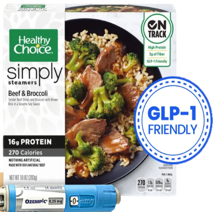
GLP-1 Friendly Portions: Conagra Brands has strategically aligned with the dietary preferences of the expanding GLP-1 market. The company has launched small-portion, high-protein frozen meals with a GLP-1-friendly badge to tap into this growing consumer trend.
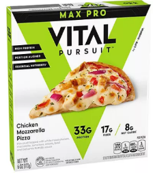
Pre-Portioned Balanced Meals: In May 2024, Nestlé launched a new frozen food brand called Vital Pursuit, featuring 14 different meal options ranging from pizza to taco bowls. The brand’s marketing strategy centered on promoting its high protein and essential nutrient content, emphasizing that the product could be consumed in smaller, portion-controlled amounts to support healthier eating habits.

Product Reformulation: Biospringer by Lesaffre offers yeast-based solutions to facilitate the production of healthier, tastier alternatives that align with the nutritional requirements of the GLP-1 consumers. Such solutions can help manufacturers to remain in the lead in a fast-changing market.

Nutrition Support platform: Nestlé Health Science has launched a specialized platform in the U.S. tailored to address the dietary needs of consumers using GLP-1 medications. This platform provides nutritional advice from healthcare professionals to improve the overall nutritional experience for individuals receiving GLP-1 treatment.

Stimulation of Natural GLP-1: Supergut underlines the importance of prebiotic fiber that helps consumers to naturally increase their GLP-1 levels. The company offers a range of products, including bars, shakes, and a GLP-1 Booster, all designed to curb cravings, stabilize blood sugar levels, and support gut health.

GLP-1/GIP-Mimicking Peptides (Hormone-Mimetic Ingredients): Evolv has developed engineered yeast-derived peptides that mimic the activity of GLP-1 and GIP hormones and are resistant to rapid degradation by DPP-4, facilitating longer-lasting metabolic effects in an oral format.
Market Insights
The weight management market is rapidly changing, driven by pharmaceutical innovations and consumers’ shifting preferences toward wellness-focused lifestyles.
GLP-1 Drugs: The GLP-1 market is experiencing stellar growth and is projected to reach $47.1 billion by 2032. This increase is driven by strong efficacy, increasing regulatory support, and potential for long-term use as side-effect profiles improve.
Meal Replacement: has been increasing steadily from $18 to $37.3 billion. Consumers find meal replacements appealing because they offer convenience and cost-effective solutions for weight management without side effects.
Functional Foods: continue to dominate the weight management market, and are expected to grow from around $280.7 to over $586 billion, highlighting a significant transition towards everyday, food-based wellness solutions and reflecting the need for long-term preventive health through nutrition.
Overall, while GLP-1 redefines clinical interventions, meal replacements offer flexibility in lifestyle, and functional foods can dominate the wellness-driven future of weight management.
Conclusion
GLP-1 medications are driving a significant shift in the food and beverage industry, prompting brands to adapt to changing consumer needs centered on wellness, preventive nutrition, and personalization. Consumers now look for meaningful, evidence-based solutions that help them feel better naturally. The industry is also placing greater emphasis on functional, results-oriented, portion-controlled, and nutrient-dense products as demand for indulgent food options decreases. This change is not just a passing trend but a lasting transformation that the industry must embrace for sustained growth and business resilience.
How Can Stellarix Assist?
Stellarix’s Food & Beverage Consulting team supports next-generation GLP-1-aligned food and beverage innovation by leveraging expertise across multiple domains, including sugar reduction, functional ingredient systems, sensory optimization, and more. We help clients make informed, data-driven decisions in strategy, product development, and investment within a rapidly evolving market.
Stellarix has distinguished capabilities pronounced in the following aspects:
- IP and Technology Scouting: Mapping innovation trends, white spaces, key innovators, and competing solutions to define differentiation and opportunities, including digestive comfort ingredient platforms, HFSS reduction, new delivery formats, and taste modulation technologies.
- Claims & Regulatory Feasibility Study: Substantiate claims by working through FDA and EFSA frameworks to define compliant, science-backed GLP-1 aligned claim pathways and reduce regulatory risk.
- Market & Competitive Landscape: Monitors and forecasts regions to spot disruptions early, reduce risks, and uncover opportunities, e.g., single-serve functional beverages in the USA or electrolyte-infused snacks in APAC.
- Packaging & Format Optimization Study: Assessing various product formats, packaging materials/types, and delivery methods to improve usability, portion control, stability, and functional benefits. This includes options like single-serve pouches, nutrient-fortified snacks, or encapsulated/emulsified ingredient systems designed to support digestive comfort, satiety, and consistent nutrient delivery for GLP-1 users.
- Partner Scouting & Investment Opportunity: Identify and shortlist potential strategic partners, CROs, and collaborators to support pre-clinical/clinical studies to accelerate market entry, e.g., clinical technology providers experienced in GLP‑1 medication trials.
- Consumer Review Studies: Non-clinical research combining consumer feedback, sensory evaluation, and functional satisfaction to guide the development of GLP-1 products and improve acceptance, usability, and perceived benefits.
Let's Take the Conversation Forward
Reach out to Stellarix experts for tailored solutions to streamline your operations and achieve
measurable business excellence.


