Turning Blind Spots into Readiness: Scaling Sensor-Enabled Spine Implants
Structural Implant to Data Production: The Expectation and the Contradiction
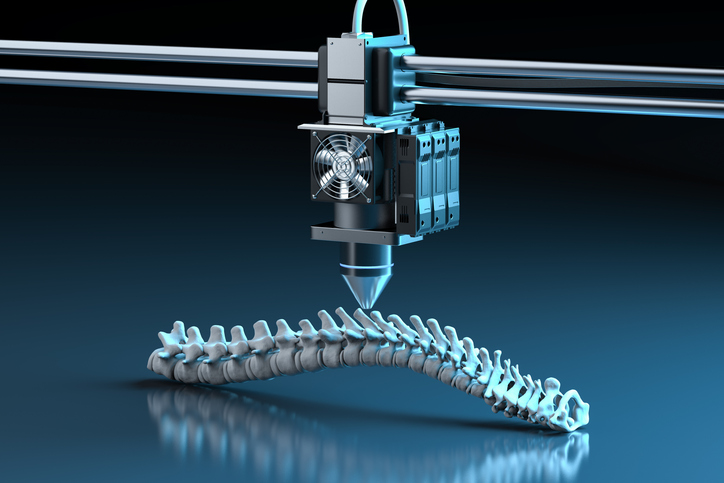
Sensor-based spine devices hold the potential to revolutionize structural hardware as a continuous source of clinical intelligence. However, the majority of such programs never make it past the initial stages. The issue is not about whether the devices can provide data, but whether the organization is prepared to turn that data into decisions, workflows, and reimbursement-based value. This is where the future competitive advantage in spine innovation will be determined.
The spinal implant will offer advanced functionality, which will include load sensing, micro shifts, prediction of fusion progress, and data transmission to hospitals, surgeons, and payers. The promise of the product is very attractive since it will guarantee better results and lower costs.
Interest in sensor-integrated implants is developing. Approximately 25- 30% of the large orthopedic OEMs are considering using sensor-integrated implants. However, in spine surgery, these implants contribute to less than 1% of the worldwide usage, even after years of research and pilot studies. This indicates a discrepancy between the capabilities of technology and its actual utilization in clinics.
Such discrepancies are mostly due to problems in workflow, ecosystem, and incentives rather than the engineering capabilities of the implants. Many attempts to use sensorised implants are quietly abandoned. Although data is available, it is seldom used to initiate changes. Despite being very advanced, technology often surpasses the ecosystem, resulting in the OEMs being stuck with sophisticated devices, unhappy clinicians, and limited acceptance.
“Do you think sensor data might change the surgeon’s role from being a reactive decision-maker to a predictive coach?”
What Blind Spots are Preventing Sensorised Spinal Implants from Reaching Commercial Scale?
Sensorised implants provide valuable insights, yet their effectiveness gets hindered by undisclosed blind spots that exist throughout technological systems, operational processes, and commercial sectors. The ability to identify these situations at an early stage helps organizations transform their potential failures into business opportunities.
Technology Blind Spots
- Sensing vs. Actionability
For example, we might measure cage loads, rod strain, or even micro-shifts with highly sensitive sensors. But are we really measuring the true variables affecting our decisions, or are we simply measuring the variables we have defined in our hardware certification process?
The answer to these questions will determine if we are getting good data from our sensors or if we are making our system more complicated than it has to be.

- Indication Elucidation & Response Passageways
Detection is just the beginning. Once a sensor detects an anomaly? Who’s investigating? Who reads it? And then? Without pathways, insights are lost, and accountability gaps are created.

Read more on other blind spots in sensorized spine implants, unseen obstacles in the value chain, and adoption drivers. Download the article below:
Let's Take the Conversation Forward
Reach out to Stellarix experts for tailored solutions to streamline your operations and achieve
measurable business excellence.