Giga Casting 2.0: Transforming Automotive Manufacturing
Technological advancements and the need for sustainability and efficiency in the manufacturing industry lately are forcing component manufacturers, especially in the aerospace and automotive industries, to undergo a seismic shift. Giga casting has erupted as a disruptive innovation designed to be pioneered by Fiorenzi Dioni and Richard Oberele from the Italian die-casting machine manufacturer Idra. Tesla has furthered the revolution by trailblazing Giga Casting 2.0, aiming to transform the automotive space, precisely impacting and transforming the making of electric vehicles in the future.
Know About Giga Casting
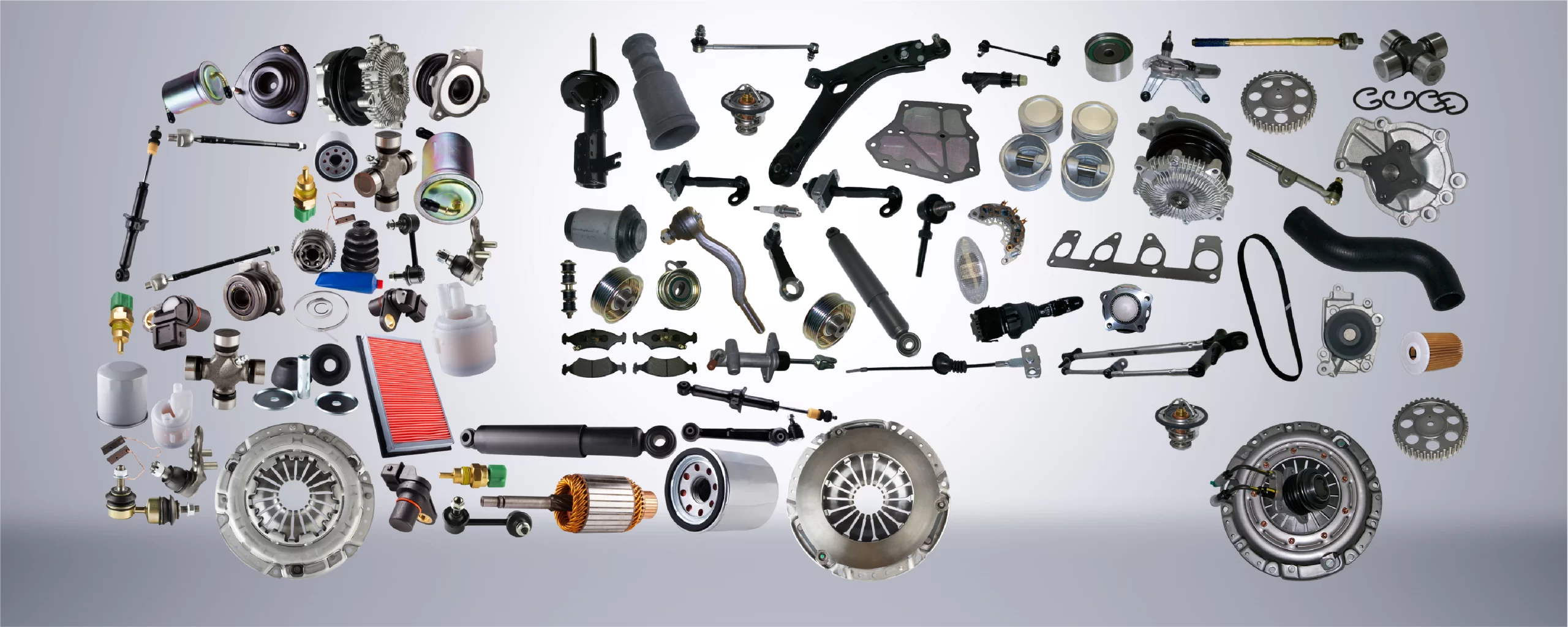
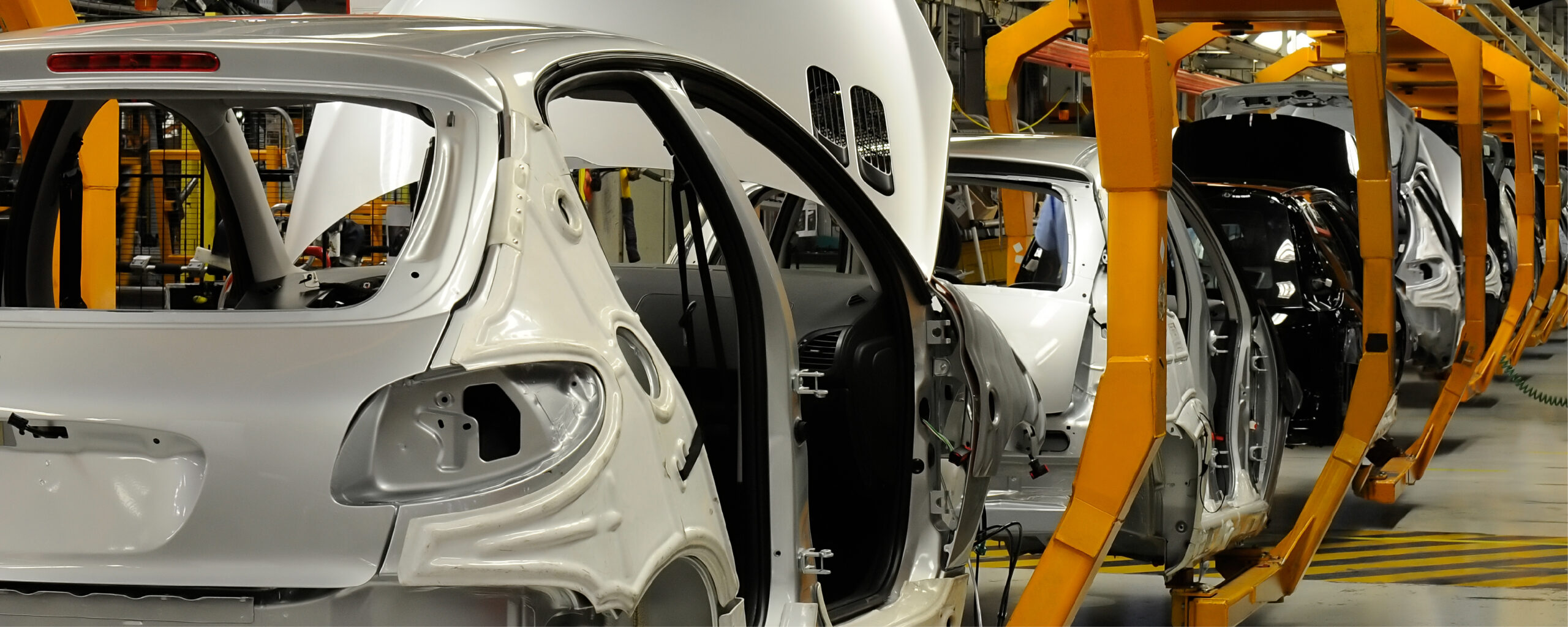
Giga Casting is a method for creating large and complex automotive components using high-pressure die-casting in a single piece. It diminishes the requirement for assembling various individual parts in a vehicle and hence saves time, effort, and resources. At the same time, the traditional process needs hundreds of components, along with bolting and welding, to stitch multiple parts, while giga casting untangles it through large-section casting, like the underbody.
What is Giga Casting 2.0?
Giga casting 2.0 is defined as the avant-garde in the automotive industry that has expedited the manufacturing process. The concept of giga casting 2.0 was originally built upon giga casting, which includes humongous aluminum die-casting machines to manufacture single-piece colossal structures for various vehicle parts. Thus, it minimizes the use of several components and significantly reduces the assembly steps for manufacturers.
The comprehensive technology comprises evolution in production efficiency, quick cycle times, and enhanced material properties, creating vehicles that are solid-built, lightweight, and cost-effective. Giga casting 2.0 aims to push the idea of sustainability, streamline production, and improve scalability precisely for EV companies.
Giga Casting: Evolution to 2.0
Phase Giga Casting 1.0
The evolution of giga casting into 2.0 began with Tesla’s maiden iteration, which can also be marked as giga casting 1.0. It primarily aimed at building rear and front structures for its Model Y. This advanced technology helped Tesla reduce its production costs while increasing its production. Gigantic machines were used to exert clamping pressures ranging from 6000 to 9000 tonnes, stamping the mark of initial success.
Advancements in Giga Casting 2.0
Tesla aims to raise the bar even higher with giga casting 2.0, finding the possibility of casting all EV components in one piece. Interestingly, this practice can reduce the number of parts from about 400 to just a few or one, thus altering the fundamental sense of vehicle manufacturing and design.
a. Advanced Materials
Giga casting 2.0 has introduced the usage of improved and new materials, like aluminum, for robust strength and lightweight properties. Such materials contribute to the vehicle’s overall weight reduction, improving the cast components’ strength and durability. This is vital for the aerospace and automotive industries and directly translates to fuel efficiency and better performance. The success of gigacasting significantly depends on advancements in material science. Specifically tailored high-strength, high-flow aluminium alloys pave the path for the production of thin-walled, massive components that comply with strict safety standards, along with weight reduction.
b. Increased Precision
Giga casting 2.0 offers stupendous precision when manufacturing vehicles. Manufacturers have been empowered with enhanced AI-driven controls, die-casting machines, and improved cutting-edge sensors. Thus, the tolerance power of components has notched higher, enabling fewer or no defects. These features can lead to higher-quality products and less post-production work, such as machining or finishing.
Read our latest article on-
c. Sustainability
Sustainable production is pivotal for any industry today, and Giga Casting 2.0’s main focus remains environmental sustainability. This technique emphasizes low or no carbon emissions, resource efficiency, reduced material waste, and low energy consumption. Production volumes can be escalated through casting process optimization with a low GHG footprint. Sustainability of the process is enhanced by a clear focus on raw materials. There is a rising demand among OEMs for “green” aluminium produced through renewable energy. It promises up to 75% lower carbon footprint.
d. Multi-Industry Applications
Giga casting 2.0 technology can soon find broader applications in various industries, like construction, robotics, renewable energy, and aerospace. This advanced version of casting technology is more adaptable, permitting manufacturers to produce large and complex components for a lot of sectors.
Advantages of Giga Casting 2.0
Giga casting is quickly expanding its wings in the automotive manufacturing industry due to its numerous advantages in terms of a swift and hassle-free process. Some of the advantages are:
- Component Count Reduced: One of the major advantages of giga casting 2.0 is that it reduces the number of components needed for assembling vehicles. Interestingly, several parts are integrated into a single casting, significantly streamlining the process and saving resources. Tesla successfully implemented this technique in Model Y, which replaced 171 parts and required only two large castings, diminishing the complexity and failure chances associated with numerous seams and joints.
- Optimized Manufacturing Performance: The giga press technology accentuates the production of large components and massively reduces turnaround time. Moreover, it also significantly minimizes labor costs while expediting the production cycle, enabling new models to be built within 18-24 months instead of 48 months. Notably, the ability to process up to 45 castings an hour speaks volumes about efficiency.
- Enhanced Structural Integrity: When huge components are assembled into one large component in casting, the structural integrity is enhanced. Fragile points, which may happen during the welding of different parts, are eliminated through seamless designs. Thus, the final product is more robust and reliable.
- Potential for Future Innovations: With the advent of giga casting 2.0 on a massive scale, avenues for bigger innovations have opened for vehicle manufacturers globally in terms of designing and manufacturing.
- Comparatively Less Energy Consumption: Though Giga Press needs signifiant amount of power to function, the total energy requirement for an entire underbody production is still lower than the conventional requisite. The elimination of energy-intensive cycles involving several stamping presses and welding robots leads to a net reduction in energy requirement.
Challenges with Giga Casting 2.0
Giga Casting 2.0 has undeniable and unbelievable potential, promising the industrial world with an unthinkable impact. However, it has its share of challenges:
High Risks: The creation of high molds can be a risky affair, with adjustment costs as high as millions of dollars. Thus, developing it requires huge investments. There’s a term called the giga cast dilemma, which refers to the balance between financial risks and efficiency gains associated with larger molds during their development. Recently, Tesla paused its one-piece casting process following manufacturing issues and costly delays in the development of the Model 2.
High Production Capacity: For the proper functioning of giga casting 2.0, manufacturers may need massive gigapresses that can exert clamping forces beyond 16,000 tonnes, which is enormous compared to the current capacities. However, this may not be feasible for every vehicle manufacturer globally. Also, it demands a larger factory space and the latest machinery designed to perform specific manufacturing tasks.
Technical Hurdles: Several technical issues cast a shadow of doubt on ensuring high-quality consistency and performance in all massive components. Moreover, reaching that standard requires significant advancements in manufacturing processes and materials science.
The risky repair economics: Collision repair is one of the most immediate strategic risks. It really complicates repairs post-accident. A damaged gigacast section may need to be replaced entirely, unlike the traditional section-by-section replacement
Insurance premiums and their implications: Expensive average reaper costs lead to higher premiums, which depreciates the vehicles’ total cost of ownership edge
Residual value uncertainties: The concerns over costly and complex structural repair could create unwanted pressure on the vehicle’s future resale value
Recent Industry Adoption
- Volkswagen: The German automaker recently adopted several entry-level EVs at the IAA Mobility 2025
- Toyota: Their Shanghai factory will soon start using gigacastings. Lexus also established a facility there last year
- Volvo: For their Torslanda plant, they are producing a single-piece rear underbody megacasting for the EX60 SUV
- Ford: They are extendingthe gigacasting concept by integrating batteries and casting several sections parallel to their novel EV platform
- Hyundai: They postponed their large-scale “hypercasting” facility but are still committed to the tech
- Tesla: Tesla placed a pause in its search for a radical single-piece front-and-rear underbody casting. It is now turning its attention to its three-piece design and perfecting it
Giga Casting 2.0 Future
As the technology continues to develop and grow, so does the impact and importance of giga casting 2.0 on the manufacturing landscape. Here are the future trends that may excel:
1. Integration with 3D Printing
Integrating Giga Casting 2.0 with 3D printing technology is possible, revolutionizing the creation of large and complex components. Hybrid manufacturing processes that merge the speed and efficiency of Giga Casting with the design flexibility of 3D printing are set to unlock new opportunities for producing lightweight, highly customized components.
2. Advanced Automation
As AI and machine learning are integrated into various industries, automation will surge in importance to optimize the casting process to the next level. Downtime will be reduced significantly, while efficiency will improve through real-time adjustments in machine production and predictive maintenance.
3. Global Expansion
The global adaptation and expansion of giga casting 2.0 in other industries and by several manufacturers are on the radar, as the technology is accessible in the open. As it becomes cost-effective with time, several small and medium enterprises will be able to afford it and utilize it in their production lines while enhancing productivity, quality, and volumes.
4. Sustainability
The battery efficiency and driving range of vehicles increase due to weight reduction and lower energy consumption in production. It also results in a lower overall environmental footprint for the vehicle.
Conclusion
Giga casting symbolizes a paradigm shift in the manufacturing segment that is forcing companies to redefine their strategic approaches to supply chain logistics, lifecycle economics, and vehicle designs. As the industry sprints to electrification, the ability to produce and design these complicated entities will become the definition of competitive and market edge.
It is also raising critical concerns among automotive leaders, which include:
- Strategic alignment between capital intensity and partnership models for gigacasting
- Management of the total cost of ownership while balancing production savings with insurance and repair dynamics
- The placement of strategic bets, whether the capital should be allocated to supplier partnerships, hybrid models, or building in-house capability
Our mobility consulting teams are helping several market participants address these concerns and assess gigiacasting’s strategic fit for operations, optimize the manufacturing ecosystem to accommodate it, and realize tangible benefits along with a sustained market edge.
Let's Take the Conversation Forward
Reach out to Stellarix experts for tailored solutions to streamline your operations and achieve
measurable business excellence.